
Many people make it an annual goal to read the Bible all the way through. Most who attempt this do so literally, starting at page one and reading the books in the order they appear in the table of contents. There is nothing wrong with that approach but is it the best way to read it?
Reading the Bible, regardless of the order, is better than not reading it. Still, there is nothing wrong with exploring different approaches to how we read Scripture, especially if those approaches might help us better understand what we are reading.
Many years ago, I put together a New Testament “machete” reading order, inspired by the suggestion on the best way to watch the Star Wars movies. You can find this NT reading plan at this link. Putting that reading plan together was fairly straightforward. The NT is a small corpus that covers a short period of history.
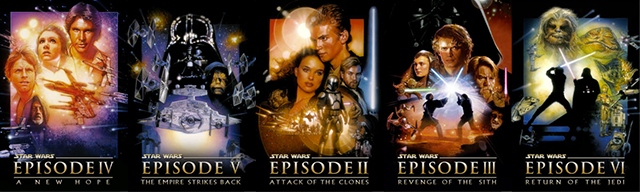
Attempting something similar with the Old Testament has always been a bit more daunting. It has been over a decade and I am just getting to it now. What makes it a more difficult project? There are a few things. For starters, the story of Israel occurs over a span of at least two millennia stretching across the Bronze and Iron Ages. Since the order of books are not arranged chronologically it can be difficult for a reader to follow Israel’s story as it moves from Abraham to Malachi. Long genealogies and extended sections of legal material can also make it hard for the reader to follow the story as they interrupt the narrative flow.
Since Christianity unfolds in history, it seemed fitting to approach reading the text in a sequence that reflects the actual flow of events. But another motivation was thinking about how N.T. Wright has defined the gospel as it would have been understood to a first century person.
‘the gospel’ is the story of Jesus of Nazareth told as the climax of the long story of Israel, which in turn is the story of how the one true God is rescuing the world.1
The reading plan suggested here is focused on reading the unfolding story of Israel with a sense of narrative continuity.
This will (hopefully) allow us to experience the history of the Israelites, who were chosen to “be a special possession out of all the nations” and to be a “a kingdom of priests and a holy nation”.2 Who “were entrusted with the oracles of God” 3 and “to whom belongs the adoption as sons, the glory, the covenants, the giving of the law, the temple worship, and the promises. To them belong the patriarchs, and from them, by human descent, came the Christ, who is God over all.” 4
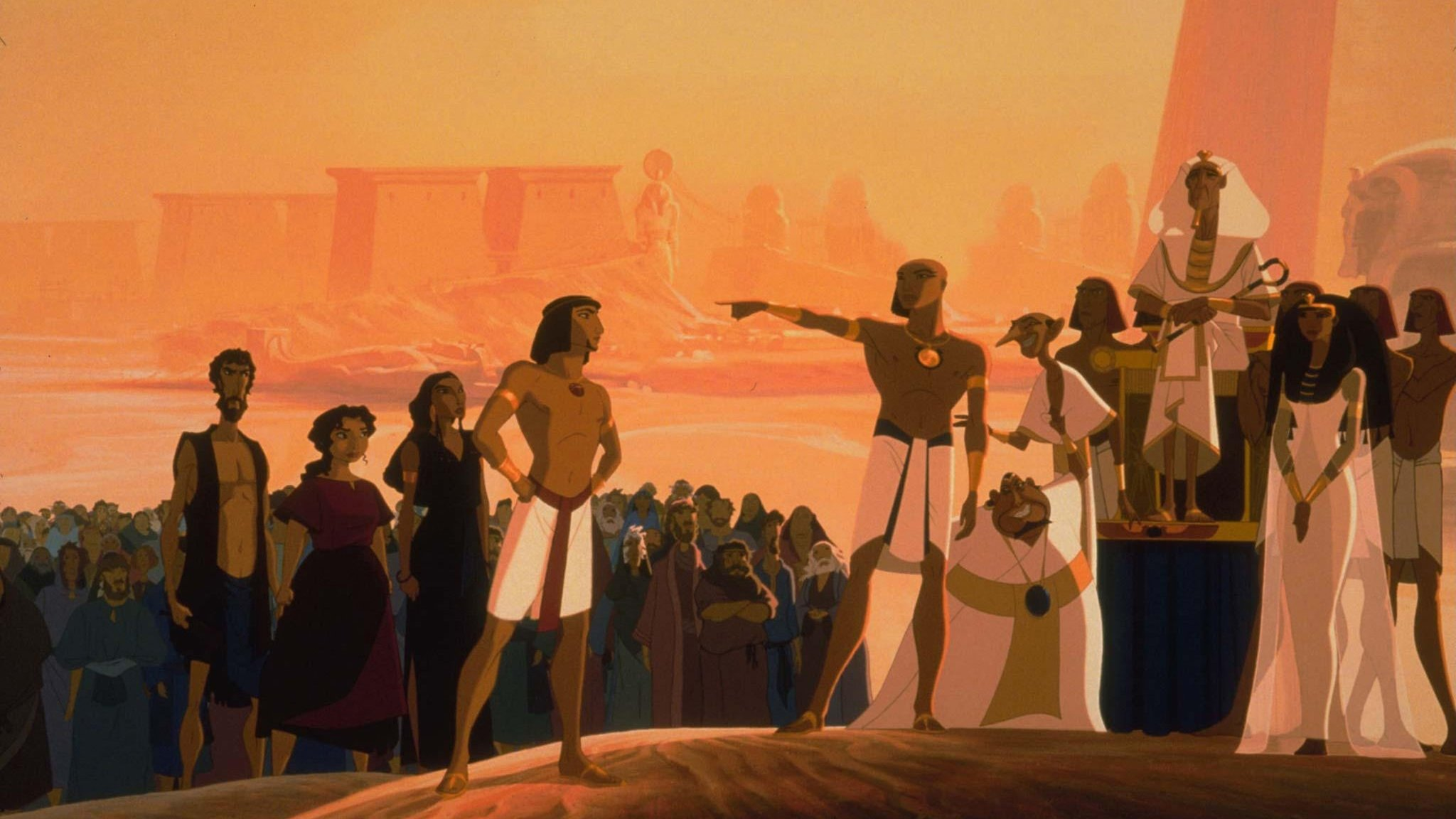
This “machete” order will focus on maintaining the narrative flow, attempting to align the books, and sections of the books, in a historical order. It will skip over large sections of law and genealogy. It will also not include all of the Psalms or Proverbs. It ends with a suggestion to read the Gospel of Matthew and then the book of Hebrews.
That means that this reading outline plan may not be for everybody.
This will be a work in progress that is updated throughout the year.
| Book | Description |
|---|---|
| Genesis 1-5:2 | In the beginning God created the heavens and the earth |
| Psalm 104 Psalm 8 | Hymns praising God for creation, reflecting on man’s place within it |
| Genesis 6-9 Genesis 11:1-9 | The first eleven chapters of Genesis are the prologue to the story of Israel. They frame why God is forming the nation of Israel as the means to reconcile a broken and evil world. It also lays the foundation for why the inhabitants of Canaan are cursed. |
| Job | Part of the wisdom literature, this epic explores the problem of evil through dialogue. Set in the world of the patriarchs, Job wrestles with God’s justice and faithfulness in the midst of suffering. Even in this early period, there is confidence that a Redeemer—or Vindicator—lives, and that in the end he will stand upon the earth and be seen |
| Psalm 33 | A hymn praising the LORD as Creator and ruler of history, declares the blessing of the nation and people chosen by him |
| Genesis 11:27-50 | The remainder of Genesis takes place in the patriarchal period, or Bronze Age, where the story of Israel begins when God calls Terah’s son Abram. Through this family, the story of how God will fulfill his promise that the seed of the woman will bruise the serpent’s head begins. |
| There is approximately a 300 year gap between the story of Joseph and the start of Exodus | |
| Exodus 1-15:21 | Exodus is central to Israel’s story, defining their identity and covenant relationship with God. Many see in the NT a “New Exodus” motif, in which Jesus Christ is portrayed as a new Moses, leading his people out of slavery and into the Promised Land and the Kingdom of God |
| Psalm 90 | Psalm 90, often called the Song of Moses, reflects on the mortality of man and reflects on the need for God’s compassion and lovingkindness |
| — |
Each OT book is linked to an Introduction essay on the Bible.org site.
Update Log:
- Reading plan through the first part of Exodus
 Dead Heroes Don't Save
Would love to see this continued. I hope to apply the NT Machete order reading soon. Have a blessed evening.