
Decision Making: An InfoGraphic on the Voice
Image
Reply

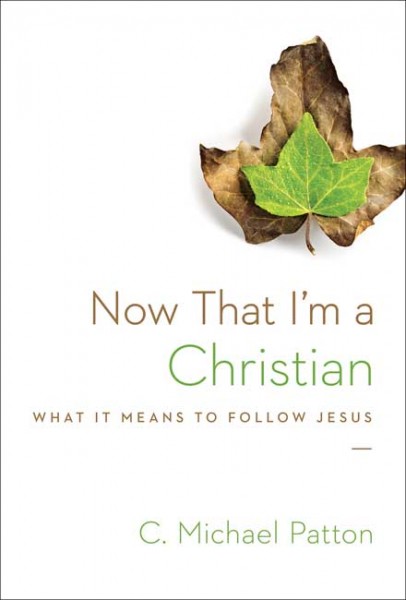 C. Michael Patton (ThM, Dallas Theological Seminary) is the creative founder of Reclaiming the Mind ministries an organization dedicated to building informed disciples of Jesus Christ. Their mission is to train Christians so that they can love God with their whole mind as well as their heart and soul (Matt 22:37).
Through the blog Parchment and Pen, Credo House – a theological coffee house, and excellent theology and discipleship courses, C. Michael Patton (or CMP for short and how he is often referenced in comments on his blog) has worked hard to make theology accessible to everyone.
It was his blog and first theology courses (then offered through NET Bible) that helped me develop a passion for theology and blogging. Needless to say I am a major fan of Reclaiming the Mind and what C. Michael Patton is working to accomplish. I was very excited to be able to receive a copy of his latest book – Now That I’m a Christian – to read and review (available at Amazon).
What is this book aiming to do and why was it written?
Have you ever gotten a new computer, camera, or other complex consumer product. Continue reading
Reason and logic are an important part of daily life and decision making. However, there are some Christians that undervalue the use of reason. They interpret “walking by faith” as rejecting logic and ignoring the need for plans. In Sermon #70, John Wesley “impartially” considered the use of reason and those who did not value it.
Even [in the earliest times] there were not wanting well-meaning men who, not having much reason themselves, imagined that reason was of no use in religion; yea, rather, that it was a hinderance to it.
And there has not been wanting a succession of men who have believed and asserted the same thing. But never was there a greater number of these in the Christian Church, at least in Britain, than at this day.
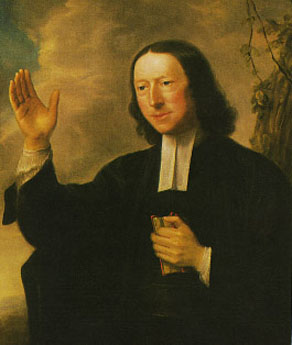 Roger Olson sees the same problem among Christians today as Wesley did in his day.
[Some Christians] appeal to “faith” as if that means blind faith, unexamined belief, in truths delivered by authority. It is more spiritual, they say, to believe against logic and evidence than to believe with them.
The passage 1 Cor 14:20, which formed the basis of the sermon, tells us to be men in our understanding. Wesley’s notes on this passage remind us (as did Paul) that we have the responsibility to not only use our reason but to develop our abilities in this area.
Knowing religion was not designed to destroy any of our natural faculties, but to exalt and improve them, our reason in particular.
Without Reason we can’t understand the Scriptures
Wesley would challenge Christians who rejected reason to explain how they would understand the Scriptures. Continue reading
 Dead Heroes Don't Save