Blogging Thru The Incarnation Four Views: Conciliar Christology Calmly Considered (Part 5)

This is part of a series of posts exploring each of the views presented in The Incarnation Four Views edited by Andrew Hollingsworth and R.T. Mullins

Having covered each of the models of the Incarnation presented in the Four Views book, I thought I would extend the series by exploring some of the topics that were brought up.
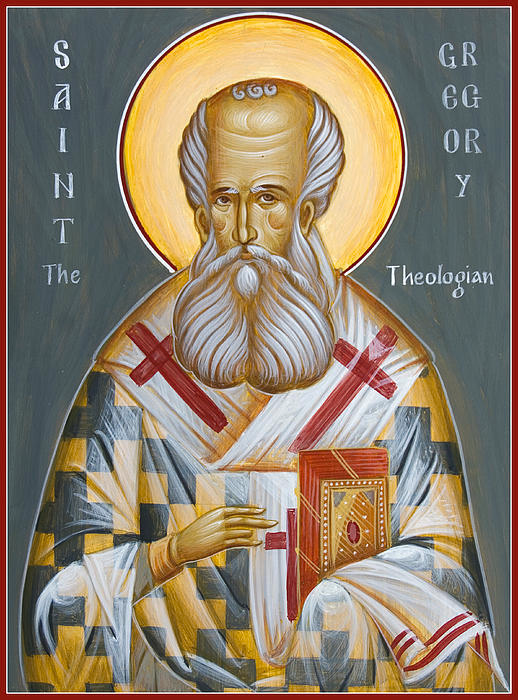
In the first essay Timothy Pawl defined Conciliar Christology as that which was “officially endorsed by the seven ecumenical councils.” 1 He argues that “Conciliar Christology is therefore the traditional, orthodox Christology of the Christian faith” and “is our shared intellectual and theological heritage.” 2

In his critique of Evans’ essay, Pawl asks the question “what counts as orthodoxy.” This was a pointed question raised against Evans’ assertion that his model was orthodox and consistent with the creedal claims about Jesus. 3 Pawl goes on to assert that orthodoxy regarding Christology goes beyond the statements made in the creeds and should include other conciliar documents.4 He argues that one should outline what conciliar documents are being considered, what the councils taught and how one’s model is consistent with them to justify the claim.5

For it is one thing to be persuaded
of the existence of a thing,
and quite another to know what it is.

Gregory of Nazianzus

In his response to Andrew Loke, Pawl critiques the novelty of his model and the reinterpretation of terminology. But Pawl does go on to admit that “all the technical mechanics of the philosophical understanding of the doctrine of the incarnation were novel at some point or other.” 6 The history regarding the “standard terms” shows that they were anything but, undergoing revision over the centuries.

These exchanges in the book brought up an interesting question. What does count as orthodoxy? Even if we appeal to the ancient creeds and councils, does orthodoxy require all of the seven councils or just the earliest ones? Does it require only the creeds or should the canons, letters and other documents be included? Perhaps most interestingly, does orthodoxy require acceptance of the ancient metaphysics or is accounting for the broader claims made about the Trinity and Incarnation enough to count?

Continue reading →
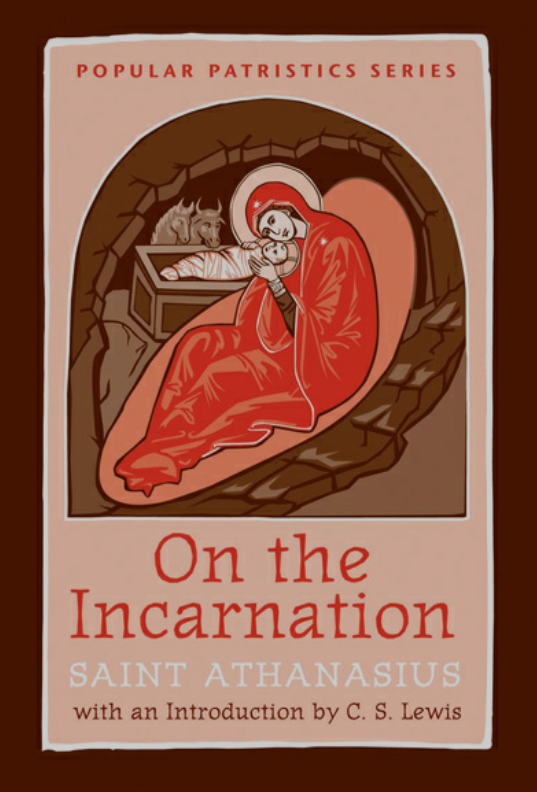
Blogging thru On the Incarnation: The Second Dilemma and Eudaimonia (part 10)

This is part 10 of the series blogging through the book On the Incarnation by Athanasius. You might want to start with part 1 and work your way through the series.

As we have noted, a careful reading, and, at least in my case, several re-readings of On the Incarnation reveals major themes in Athanasius’ theology. Over the course of both this work and its prequel he has laid out a foundation and has continually built upon it as he makes his case for the Incarnation and why it was necessary. In this post we will unpack the second dilemma that necessitated the Incarnation of the Word.

The Good Life is found in Contemplation

In Against the Gentiles, Athanasius described the proper state of human existence as a relationship with God rooted in contemplation (see part 2). By using our rational facilities to focus on the things above we may learn and understand “divine realities”. For Athanasius the Fall was the result of humans taking our focus away from the things above and directing it towards lower or more worldly things. In chapter 11 of On the Incarnation, Athanasius reiterates these ideas in laying out the basis for the second dilemma.

Just as mankind as a created being was mortal by nature, Athanasius will argue, we are also unable by nature (as originally created) to know or receive knowledge about the Creator. But God, desiring to be known, bestowed mankind with His own image. Among all the things that being made in the image of God might entail. it refers to God’s providing us with a rational soul from which He can be contemplated and perceived. This ability was what separated humans from the rest of the “irrational” creatures.

creating human beings not simply like all the irrational animals upon the earth but making them according to his own image, giving them a share of the power of his own Word, so that … being made rational, they might be able to abide in blessedness, living the true life
(chap 3) 1

The blessed life was to know the Creator.

Continue reading →

Blogging thru On the Incarnation: The First Dilemma and the Atonement (part 9)

This is part 9 of the series blogging through the book On the Incarnation by Athanasius. You might want to start with part 1 and work your way through the series.

In reading through On the Incarnation, we have been exposed to a great deal of Athanasius’ theology. As we start to explore the first dilemma that necessitated the Incarnation of the Word, we will do a quick recap of the main theological points Athanasius has made.

  • God created humans with a mortal nature
  • Humans enjoyed immortality through participation with the Word before the Fall
  • Participation with the Word was through contemplation of the Word
  • Humans turned their focus away from the Word to worldly pleasures and sunk deeper and deeper into evil
  • Humans were sentenced to death on account of the transgression. Without a connection with the Word to blunt their mortal nature they would die and return to non-being

Athanasius considers all of this and writes that “what happened was truly both absurd and improper.” The absurd and the improper each represent one of two horns of what Athanasius considers a dilemma for God to solve.

On the first horn Athanasius finds it “absurd that God, the Father of truth, should appear a liar for our profit and preservation.” Since God issued the law that humans would die if they transgressed He could not just dissolve the sentence. “If humans sentenced to death did not die then that would make God a liar. For God would not be true if, after saying that we would die, the human being did not die.” 1

Continue reading →