The $64,000 question and presuppositions

R.C Sproul, the popular Reformed pastor, author, and founder of Ligonier Ministries, asked the following question in his book: Chosen By God.

The $64,000 question is, “Does the Bible teach such a doctrine of prevenient grace? If so, where?”

And Tom Schreiner in his critique on prevenient grace (chapter 9 in Still Sovereign)  summed it up like this:

Prevenient grace is attractive because it solves so many problems, but it should be rejected because it cannot be exegetically vindicated

sproul_podium_actionBefore continuing I want to make three important observations:

1. Reformed and Arminian views both hold to the concepts and doctrine of original sin/total depravity. In summary that means that people, because of our fallen nature, cannot initiate a relationship with God or come to faith without God’s help.

2. Reformed and Arminian views both hold to the need for prevenient grace – a grace that precedes faith. This grace is given by God to restore our fallen nature and enable a person to come to faith.

3. The primary difference between Reformed and Arminian theologies is whether prevenient grace is resistible or not. Continue reading
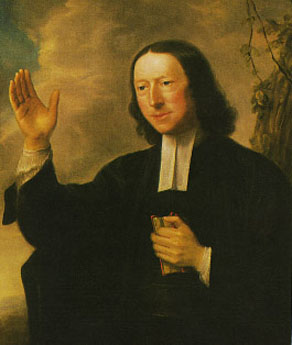
Wednesday with Wesley: On Undervaluing Reason

Reason and logic are an important part of daily life and decision making. However, there are some Christians that undervalue the use of reason. They interpret “walking by faith” as rejecting logic and ignoring the need for plans. In Sermon #70, John Wesley “impartially” considered the use of reason and those who did not value it.

Even [in the earliest times] there were not wanting well-meaning men who, not having much reason themselves, imagined that reason was of no use in religion; yea, rather, that it was a hinderance to it.

And there has not been wanting a succession of men who have believed and asserted the same thing. But never was there a greater number of these in the Christian Church, at least in Britain, than at this day.

John_WesleyRoger Olson sees the same problem among Christians today as Wesley did in his day.

[Some Christians] appeal to “faith” as if that means blind faith, unexamined belief, in truths delivered by authority. It is more spiritual, they say, to believe against logic and evidence than to believe with them.

The passage 1 Cor 14:20, which formed the basis of the sermon, tells us to be men in our understanding. Wesley’s notes on this passage remind us (as did Paul) that we have the responsibility to not only use our reason but to develop our abilities in this area.

Knowing religion was not designed to destroy any of our natural faculties, but to exalt and improve them, our reason in particular.

Without Reason we can’t understand the Scriptures

Wesley would challenge Christians who rejected reason to explain how they would understand the Scriptures. Continue reading

Eating with Sinners

Jesus’ ministry was summed up by the Pharisees in this way (Luke 15:1-2 also Matt 11:19; Luke 7:34).

This man receives sinners and eats with them

Having assessed Jesus’ approach to ministry, the Pharisees also questioned it. Why does Jesus “eat with sinners” (Mark 2:16 NET)?

When the experts in the law and the Pharisees saw that he was eating with sinners and tax collectors, they said to his disciples, “Why does he eat with tax collectors and sinners?

As we look back on Jesus’ ministry mission statement and how he dealt with sinners we can end up with a lot of questions too. Who should I eat and hang out with? Where should I hang out with them? What should I tell them about sin? What expectations should be placed on the sinners for there to be a continued close relationship? How long should I hang out with them if they keep sinning? How should we handle sinners in the church?  These are all good questions. And ones that are being hotly debated.

The Last Supper (Da Vinci)Here is how Jesus defended His “eat with sinners” approach to ministry (Mark 2:17 NET):

Continue reading