Tertullian on the Problem of Evil and Free Will

This is part of a series of posts that captures the early church views on free will and determinism. The idea for this series was motivated by Calvinist claims that their view was held by the early church.

Tertullian

Tertullian

Tertullian (160-225), a 2nd century theologian lived in North Africa, wrote numerous works explaining and defending Christianity. We explored his views of orthodoxy (or the Rule of Faith) already, in this post we will look at how he approached the problem of evil.

One of his works is The Five Books against Marcion. In Book 2, Tertullian explores the problem of evil because Marcion (the heretic of Pontus) was wrestling with how a good God could be the author of all the evil in the world (i.2).

The problem of evil, as stated by Marcion and presented by Tertullian goes, something like this (ii.5): Continue reading
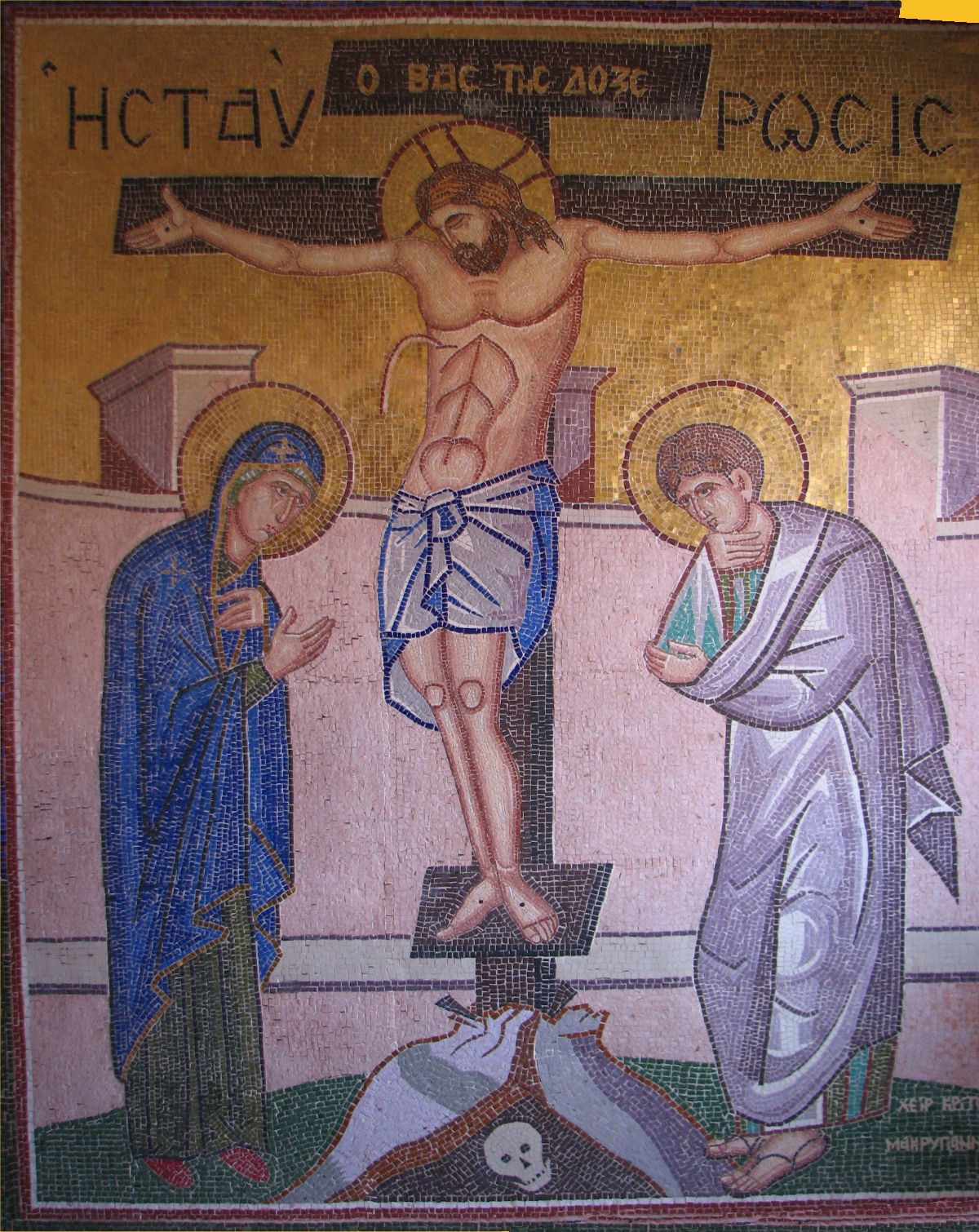
Reconciling the World to Himself

in Christ God was reconciling the world to himself, not counting people’s trespasses against them (2 Cor 5:19 NET)

Mosaic of Crucifixion at Kykkos Monastery Christianity rests on the essential truth that Jesus came, suffered, died, was buried, and rose on the third day.  But why did Jesus have to die on the cross? Richard Watson (1781-1833) tackles that question in chapter 20 of the 2nd Volume of his Theological Institutes.

The first thing which strikes every attentive, and, indeed, every cursory reader of the New Testament, must be, that the pardon of our sin, and our entire salvation, is ascribed to the death of Christ. … our salvation is expressly and emphatically connected with that event. … Continue reading

Treat them as Gentiles and Tax Collectors

Most of us have read through the church discipline passages and probably have given them very little thought as to how they might be applied. Unfortunately as an elder of a local church we are forced to wrestle with them not just from a theological perspective but from a very practical sense.

As many readers likely know, Matthew 18:15-20 is the standard passage used to define the church discipline process. The process involves four successive steps:

  1. private meetings between the sinner and the offended party.
  2. discussions between the sinner and the offended party with witnesses to establish whether the alleged sin is occurring.
  3. bringing the matter to the attention of the church is typically when elders start to get involved and has its own set of steps.
    • The elders, similar to step 2, will investigate the matter and determine whether sinful activity is occurring.
    • If the sinful activity is verified the elders will often meet with the person who is sinning to discuss the situation and encourage them to repent.
    • If the person refuses to repent the congregation is informed of the matter, with the goal of aiding in the process of reconciliation. The unrepentant, sinning person is given some additional time to change their actions.
  4. treating the sinner as a Gentile and a tax collector
    • this final step is reserved for people who stubbornly refuse to acknowledge their sin and continue in their sinful activity.

The goal at every step in this process is for there to be an end to the sinful activity and reconciliation between the sinner and offended party. The hope is that this can be done in as few steps as possible.

The Calling of St. Matthew

The Calling of St. Matthew

What did Jesus mean when He said treat them as Gentiles and Tax Collectors? Continue reading