
This post is part 6 of a series that has explored the three essays on the topic Liberty and Necessity by John Wesley, Jonathan Edwards and Lord Kames. This series started with this post Wednesday with Wesley: Thoughts Upon Necessity
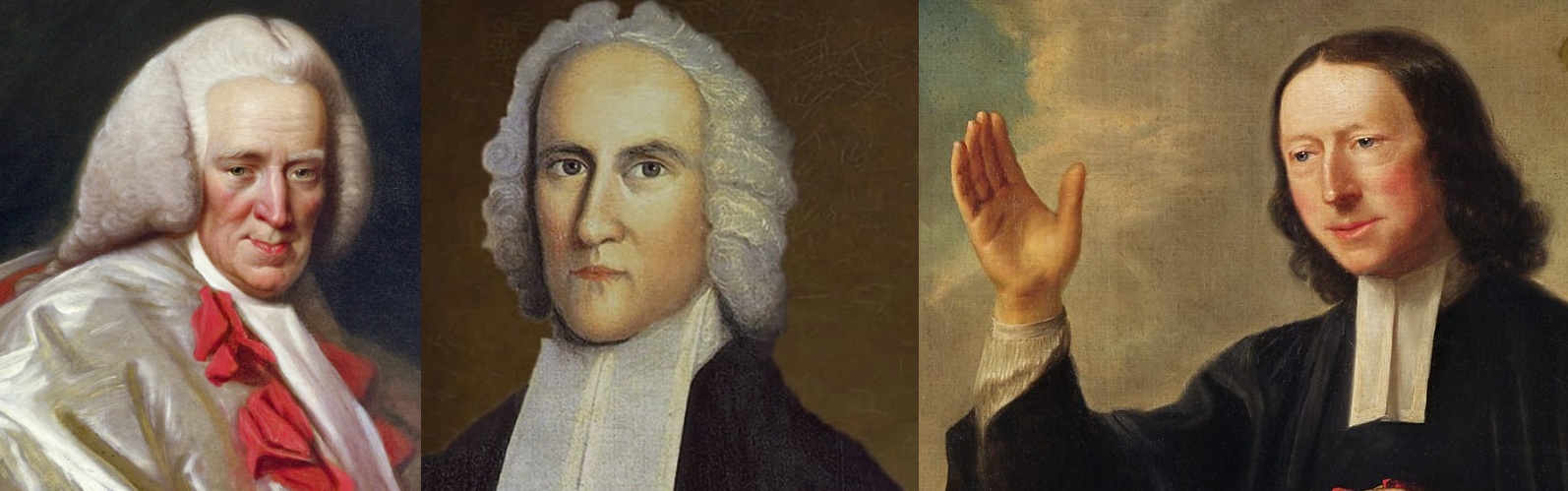
In “Thoughts Upon Necessity“, John Wesley critiqued the Lord Kames’ views on Necessity, Liberty and Moral Obligation and highlighted its flaws. He then went on to admit that Jonathan Edwards avoids the problem Lord Kames found himself in.
But Mr, Edwards, has found a most ingenious way of evading this consequence …1
Through “deep, metaphysical reasoning”, Edwards has asserted that “the actions of men are quite voluntary; the fruit of their own will” while also claiming that the strongest motive “determin[es] the Will [causing] the choice to be thus, and not otherwise.” 2 Despite using words like “voluntary” and “choice”, Edwards’ Liberty of Necessity, according to Wesley, amounts to the acts of a moral agent being “irresistibly impelled.” 3
Through this series we have explored how Edwards understood a Liberty of Necessity as well as how he understood a Liberty of Contingency. In this post, we will explore Wesley’s claims about Edwards’ framework and his own perspective on these matters.
Continue reading
 The script describes everything that will happen in that movie, scene by scene. The lines that are said, the responses that people have, and actions they take, are all written out ahead of time. The script is there to make sure that the story is told in just the right way and ends up just they way it is supposed to.
 Dead Heroes Don't Save