
This is a series that will be updated periodically that captures the early church views on free will. Check the Series page for the other posts.
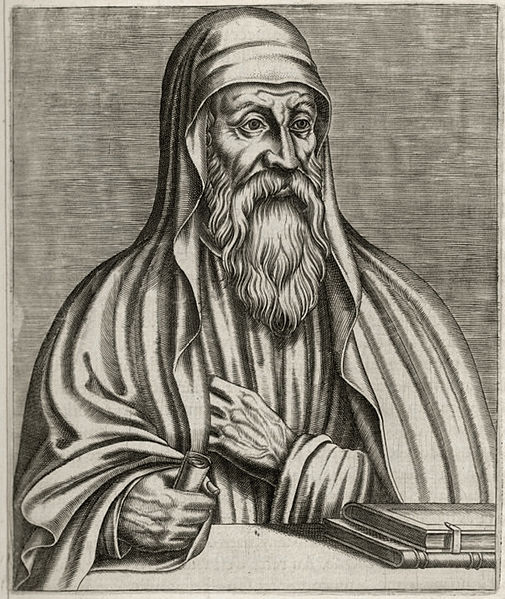 What prompted this series was an assertion made by Charles Spurgeon in his sermon “Election“, that throughout church history only heretics held to a view of free will:
Were I a Pelagian, or a believer in the doctrine of free-will, I should have to walk for centuries all alone. Here and there a heretic of no very honourable character might rise up and call me brother.
In this post we will examine the views that Origen held on these topics.
If you have heard the name Origen before then you probably know that he had his run ins with various church leaders (during his lifetime through to today) due to his hermeneutics and speculative views on various doctrines. But reading about his life and digging into his writings it is evident that his life was focused on Jesus Christ. We evaluated his basic views and whether they were orthodox in a prior post. Continue reading
![Justin the Philosopher by Theophanes the Cretan [Public domain], via Wikimedia Commons](https://deadheroesdontsave.com/wp-content/uploads/2013/08/saint_justin_martyr_by_theophanes_the_cretan.jpg)
 Dead Heroes Don't Save
