Young, Restless, & Reprobate?

If we look at the account across the three Synoptic Gospel accounts (Matthew 19:16-30; Mark 10:17-31; Luke 18:18-30) we notice several things about the Rich Young Ruler (RYR) as he approaches Jesus.

  1. He is running up to Jesus.
  2. He falls on his knees, which may be a sign of honor, but in this case is more likely a position of imploring (Matt 17:14-15; Mk 1:40).
  3. He addresses Jesus as “Good Teacher”.
  4. He asks what “good” must he do to gain/inherit eternal life.

The RYR has come with an urgent question and a desire to learn from Jesus, recognizing Him as one who teaches with authority (Matt 7:29). We can assume that he comes without an ill intent (unlike the Pharisees and scribes (Matt 19:3; 22:35; Mark 10:2; 12:13)), but is genuinely seeking to understand how to inherit eternal life (like Nicodemus in John 3).

Jesus’ response (as most commentators note) must have caught the RYR off guard.

Why do you call me good? No one is good except God alone.

What was probably meant as a sign of respect has just become a theological lesson. This was probably Jesus’ way of forcing the young man to wrestle with the question: who do you say that I am? Continue reading
An Ancient Theologian takes an ironic look at Judgment Day

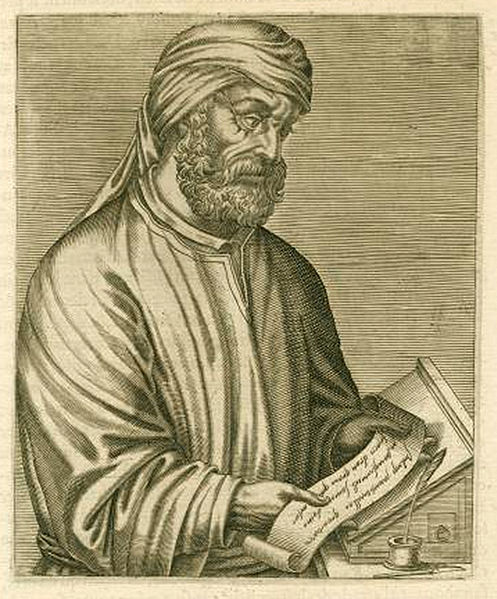
497px-TertullianTertullian closes out his work, Prescription against Heretics, reminding his readers that we all will stand at the judgment seat of Christ (2 Cor 5:10). In his mind he imagines all of the excuses that the heretics and those they deceived will offer to Christ for their rejection of Him.

Allowing his imagination to continue, Tertullian, with unmistakable sarcasm, paints a picture of what judgment might look like for the disciples of Christ who endured in their faith should the heretics prevail in their argument and be given entrance into the kingdom. Each biting comment is a jab at one of the false doctrines that were prevalent during his time. The text (in italics) that follows is an excerpt from the concluding chapter of his book.


If, however, any, being mindful of the writings and the denunciations of the Lord and the apostles, shall have stood firm in the integrity of the faith, I suppose they will run great risk of missing pardon, when the Lord answers: Continue reading

An Ancient Theologian tackles John 6 and Romans 9

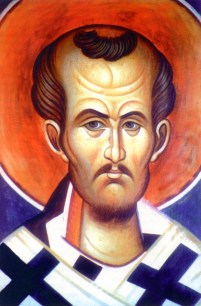
st-john-chrysostom-71John Chrysostom, a 4th century theologian, served as Bishop of Constantinople and was known for his preaching and ascetic lifestyle. What made him a noteworthy teacher was his ability and desire to be understood by the lay person and his rejection of allegorical interpretation.

Chrysostom predated the Pelagian and Semi-Pelagian debates that dominated the 5th century but was around during the disputes with the Manicheans.

The Manicheans were a heretical group that held to dualism. The founder claimed to be an apostle.

Augustine was a Manichean for nearly a decade before coming to Christ. He spent much of his early Christian experience refuting them in numerous works. At this time Augustine refuted the Manichean deterministic idea that “evils and sins are thereby connected, as by a sort of chain, to God” by arguing that actions that were determined and not performed through a willing agent did not deserve condemnation.

While ministering in Antioch, Chrysostom wrote Homilies (or sermons), which consist of verse by verse expositions of the Scriptures. Chrysostom, did not author major works against the Manicheans as Augustine did, but noted in his sermons those passages which these (and other heretical groups) wrongly interpreted. Continue reading