5 Things John says about Jesus in 1 John

In the prologue to the epistle we know as 1 John, the Apostle writesThe Apostle John
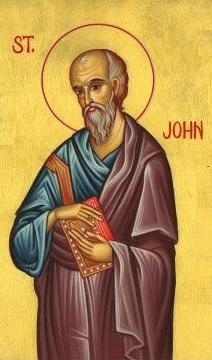
That which was from the beginning, which we have heard, which we have seen with our own eyes, … which we have touched with our hands … we proclaim to you

Here are 5 things that John proclaims to us about Jesus in this letter:

Jesus is the Christ

  • contra the claims of the false teachers (2:22), John boldly proclaims that Jesus is the Christ (1:3; 2:1; 3:23; 4:2; 5:1, 6, 20). All who believe that Jesus is the Christ, the Son sent by the Father to be the Savior, have eternal life (3:23; 4:14; 5:1,12 cmp John 3:16; 11:27).
  • John does not go to great lengths to explain the term Christ – which means Messiah — in this epistle. But it is evident from his Gospel that Messiah refers to the Savior and King promised to Israel and written about in the Scriptures (John 1:41; 4:25; 7:27,31,42; 12:34).

Jesus is Righteous Continue reading

Young, Restless, & Reprobate?

If we look at the account across the three Synoptic Gospel accounts (Matthew 19:16-30; Mark 10:17-31; Luke 18:18-30) we notice several things about the Rich Young Ruler (RYR) as he approaches Jesus.

  1. He is running up to Jesus.
  2. He falls on his knees, which may be a sign of honor, but in this case is more likely a position of imploring (Matt 17:14-15; Mk 1:40).
  3. He addresses Jesus as “Good Teacher”.
  4. He asks what “good” must he do to gain/inherit eternal life.

The RYR has come with an urgent question and a desire to learn from Jesus, recognizing Him as one who teaches with authority (Matt 7:29). We can assume that he comes without an ill intent (unlike the Pharisees and scribes (Matt 19:3; 22:35; Mark 10:2; 12:13)), but is genuinely seeking to understand how to inherit eternal life (like Nicodemus in John 3).

Jesus’ response (as most commentators note) must have caught the RYR off guard.

Why do you call me good? No one is good except God alone.

What was probably meant as a sign of respect has just become a theological lesson. This was probably Jesus’ way of forcing the young man to wrestle with the question: who do you say that I am? Continue reading

Justin Martyr: The Meaning of Christmas

In his treatise Dialogue with Trypho, Justin Martyr, a 2nd century Christian philosopher, explains the meaning of the Christmas story to Trypho. This story uses a popular literary format to present an argument JustinMartyrSantain the form of a discussion (modeled after Plato) and explores the Jewish rejection of the Messiah using the Socratic method of questions.


Continue reading