Readers of the blog know I have been reading through the letters to the Thessalonians. These letters are written after Paul’s brief stay in the city, having been chased out by rioters protesting the spread of the Gospel. These letters are probably best known for their references to various events that will occur in the end times.
The information provided in these letters address the specific concerns that the Thessalonians have about the end times. As we read them we have to remember that we are only seeing one half of the conversation. We don’t have a full picture of what misconceptions these new believers had. Complicating things further, Paul’s responses provide summarized pieces of information that are meant to help the Thessalonians remember the details that he had already imparted (1 Thess 5:1-2; 2 Thess 2:5-6).

In the first letter, after expressing his joy regarding the firm faith of the new, persecuted believers, Paul addresses the concern that Timothy brought to his attention. It seems that the Thessalonians are concerned about the fate of loved ones who are in Christ but have died. What will happen to them when Christ returns? Paul explains that both those who are alive and those who have died will all meet Christ at His coming and be with Him forever (1 Thess 4:13-18).
Another concern is addressed in the second letter. Here Paul informs the Thessalonians that the coming of the Lord has not come yet. It seems that misinformation was being spread that the day of the Lord was upon them (2 Thess 2:1-12). Between the two letters the challenge facing the young church seems to have shifted from worrying about dead believers who will miss a future event, to a concern that living believers had missed a recently past event.
In this post, we will make some observations and ask some questions based on what Paul writes in these letters.

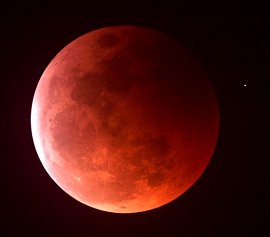
Imagery from NASA
Does Jesus gather the elect in one major event or two?
Paul describes an event in chapter 4 of the first letter, which many consider the same event described in 1 Cor 15:50-57. This event is often called the rapture. Paul describes another event in chapter 5 and chapters 1 and 2 of the second letter. This event is called the the day of the Lord, and has several events that will precede it, including the apostasy and the revelation of the Antichrist, who Christ will slay at His coming. The question is does Paul describe two separate events (a rapture and the 2nd coming) or are these all descriptions of the same event (the 2nd coming). Continue reading →


 Dead Heroes Don't Save