Grace for All: The Wideness of God’s Mercy

Nothing in human history testifies to the wideness of God’s mercy or the breadth of his love like the atoning death of Christ.

So begins chapter 4 of Grace for All, in which we are presented with both an “exegetical” and a “systematic” investigation of the intent and extent of the atonement.

The essay was written by Robert Picirilli (link), the former Academic Dean of the Graduate School at Free Will Baptist Bible College. Picirilli has autho415xXkjORGLred numerous commentaries, including one on Romans from an Arminian perspective. He has also written the book Grace, Faith, Free Will (amazon), one of the best and most accessible books (IMO) on the Calvinism/Arminianism debate. Some of the points covered in this essay can also be found in a lecture Picirilli gave in 2002 (link).

What is the atonement? Noted Reformed pastor, John Piper, provides us with a great definition (link):

the work of God in Christ on the cross whereby he canceled the debt of our sin, appeased his holy wrath against us, and won for us all the benefits of salvation.

There would be little to debate on this important truth, so Picirilli focuses his essay on the question: what did God intend to achieve through the atoning, redemptive work of Jesus? Continue reading
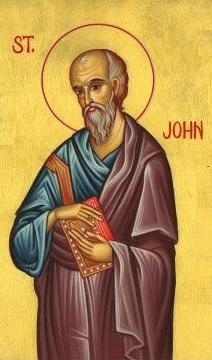

5 Things John says about Jesus in 1 John

In the prologue to the epistle we know as 1 John, the Apostle writesThe Apostle John

That which was from the beginning, which we have heard, which we have seen with our own eyes, … which we have touched with our hands … we proclaim to you

Here are 5 things that John proclaims to us about Jesus in this letter:

Jesus is the Christ

  • contra the claims of the false teachers (2:22), John boldly proclaims that Jesus is the Christ (1:3; 2:1; 3:23; 4:2; 5:1, 6, 20). All who believe that Jesus is the Christ, the Son sent by the Father to be the Savior, have eternal life (3:23; 4:14; 5:1,12 cmp John 3:16; 11:27).
  • John does not go to great lengths to explain the term Christ – which means Messiah — in this epistle. But it is evident from his Gospel that Messiah refers to the Savior and King promised to Israel and written about in the Scriptures (John 1:41; 4:25; 7:27,31,42; 12:34).

Jesus is Righteous Continue reading

Simply Jesus: Living in Act 5

The last chapter in Simply Jesus examines the question – what does it mean to say that Jesus is King – and examines how Christians should seek to live in the 5th Act of human history.

The views presented here are a summary of what Wright presents in his book. Wright

Jesus is King over Heaven & Earth

In dealing with the question what does it mean to say that Jesus is King, Wright explains that Jesus is currently King over heaven and earth. Daniel 7 has been fulfilled at the Ascension and we are not to wait for Jesus to become King, though we are to anticipate His return. I would add that Matthew 28 would add support to this idea.

Then Jesus came up and said to them, “All authority in heaven and on earth has been given to me.(Matt 28:18 NET)

But for Wright that does not mean that Jesus rules over two separate worlds or realms. Heaven and earth are two overlapping and interlocking worlds. And Jesus has launched God’s kingdom on earth.

When we look at the world we might wonder how that could possibly be true. After all the world is such a mess. But, according to Wright, we are missing a crucial piece of the puzzle when we talk about the reign of Jesus and His kingdom: Continue reading