Eating with Sinners

Jesus’ ministry was summed up by the Pharisees in this way (Luke 15:1-2 also Matt 11:19; Luke 7:34).

This man receives sinners and eats with them

Having assessed Jesus’ approach to ministry, the Pharisees also questioned it. Why does Jesus “eat with sinners” (Mark 2:16 NET)?

When the experts in the law and the Pharisees saw that he was eating with sinners and tax collectors, they said to his disciples, “Why does he eat with tax collectors and sinners?

As we look back on Jesus’ ministry mission statement and how he dealt with sinners we can end up with a lot of questions too. Who should I eat and hang out with? Where should I hang out with them? What should I tell them about sin? What expectations should be placed on the sinners for there to be a continued close relationship? How long should I hang out with them if they keep sinning? How should we handle sinners in the church?  These are all good questions. And ones that are being hotly debated.

The Last Supper (Da Vinci)Here is how Jesus defended His “eat with sinners” approach to ministry (Mark 2:17 NET):
Continue reading

Simply Jesus: Why did Jesus have to die?

It has been awhile since I posted on my readings through Simply Jesus. Part of that has been the fact that life has been full of other activities. And part of that is because in this chapter Wright addresses an incredibly important question (which I wanted to take time to explore).

Why did the Messiah have to die?

Wright spends much of chapter 13 exploring how God surprised everyone in combining the roles of Messiah, servant, and returning God into the same person – Jesus.

This combination was a small step exegetically, but a giant leap theologically … Nobody, so far as we know, had dreamed of combining these ideas in this way before.

Jesus’s vocation to be Israel’s Messiah and his vocation to suffer and die belong intimately together.

Wright then explains that the reason Jesus had to die was to defeat the true enemy – Continue reading

5 observations on the Prologue in 1 John

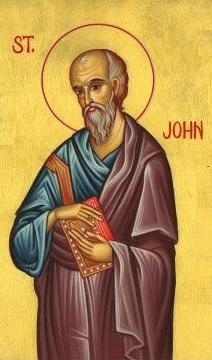
The Apostle JohnJohn opens his writing with what Raymond Brown calls a “grammatical obstacle course”. Here are 5 observations that will help you navigate this challenging passage without breaking too much of a sweat.

1. The main verb – we proclaim to you – occurs in the third verse. It is buried beneath numerous relative clauses (that which …). These clauses expand on the idea communicated by the main verb. They (along with the prepositional phrase) will tell us what is being proclaimed. Continue reading