Sinners in the Hand of an Angry God (Seuss)

What if Jonathan Edwards memorable sermon “Sinners in the Hand of an Angry God” was written in the style of Dr. Seuss’ The Cat in the Hat? It might go something like this:

EdwardsInTheHatTo Fall In Due Time

We sat there in church.
We listened so well.
The preacher stepped up
to tell us about hell.

With tales of horror,
that sound like Stephen King,
We sat on the seat edge
with sweat that did cling.

The preacher he taught,
about our feet sliding.
Explaining the text,
no truth was he hiding.

To walk in a place
so slippery and wet.
A most foolish idea
you are sure to regret.

You’ll fall down
down
down
down
into a wide gaping pit.
And you will not like it.
Not one little bit. Continue reading

The $64,000 question and presuppositions

R.C Sproul, the popular Reformed pastor, author, and founder of Ligonier Ministries, asked the following question in his book: Chosen By God.

The $64,000 question is, “Does the Bible teach such a doctrine of prevenient grace? If so, where?”

And Tom Schreiner in his critique on prevenient grace (chapter 9 in Still Sovereign)  summed it up like this:

Prevenient grace is attractive because it solves so many problems, but it should be rejected because it cannot be exegetically vindicated

sproul_podium_actionBefore continuing I want to make three important observations:
1. Reformed and Arminian views both hold to the concepts and doctrine of original sin/total depravity. In summary that means that people, because of our fallen nature, cannot initiate a relationship with God or come to faith without God’s help.

2. Reformed and Arminian views both hold to the need for prevenient grace – a grace that precedes faith. This grace is given by God to restore our fallen nature and enable a person to come to faith.

3. The primary difference between Reformed and Arminian theologies is whether prevenient grace is resistible or not. Continue reading

Reconciling the World to Himself

in Christ God was reconciling the world to himself, not counting people’s trespasses against them (2 Cor 5:19 NET)

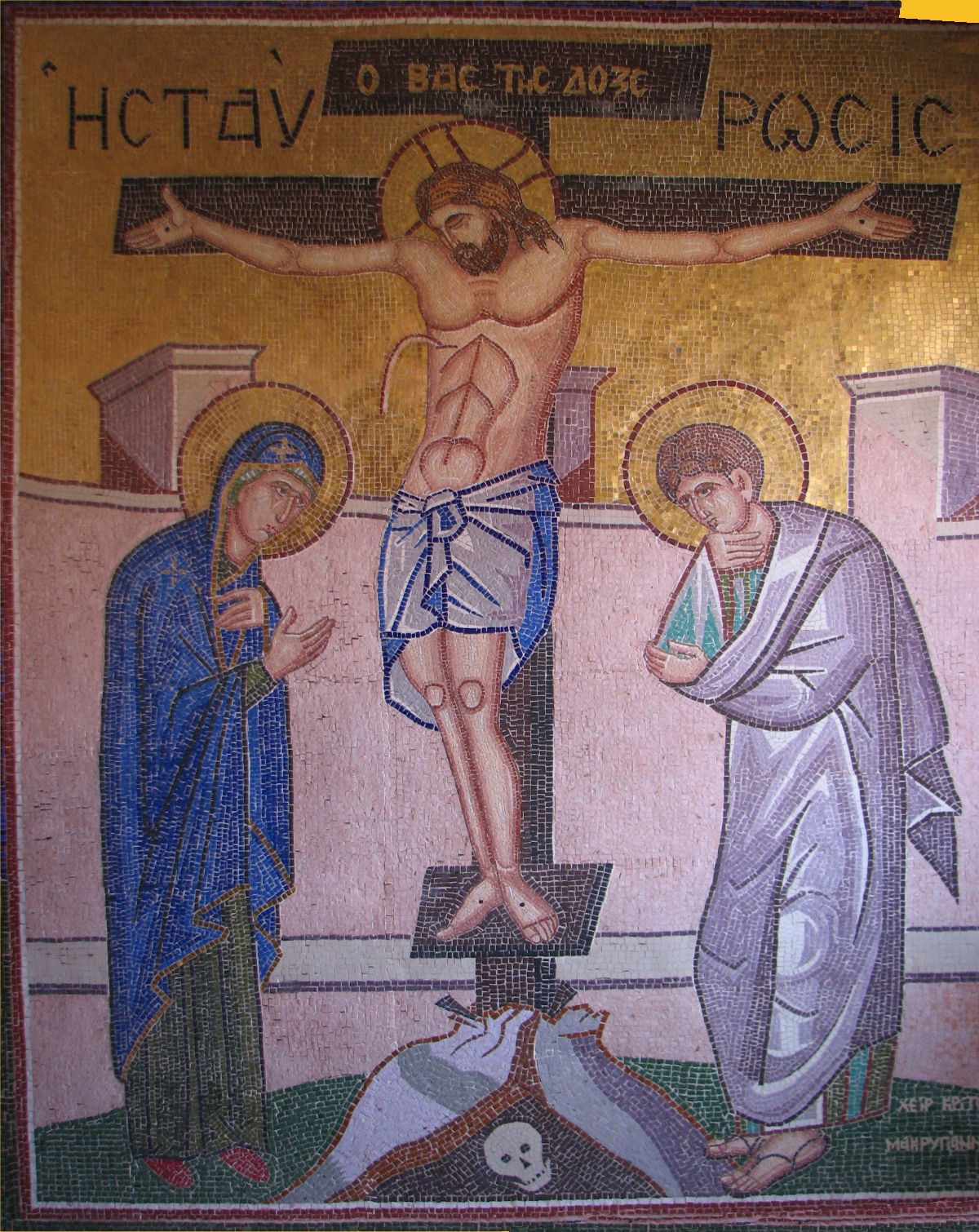
Mosaic of Crucifixion at Kykkos Monastery Christianity rests on the essential truth that Jesus came, suffered, died, was buried, and rose on the third day.  But why did Jesus have to die on the cross? Richard Watson (1781-1833) tackles that question in chapter 20 of the 2nd Volume of his Theological Institutes.

The first thing which strikes every attentive, and, indeed, every cursory reader of the New Testament, must be, that the pardon of our sin, and our entire salvation, is ascribed to the death of Christ. … our salvation is expressly and emphatically connected with that event. … Continue reading