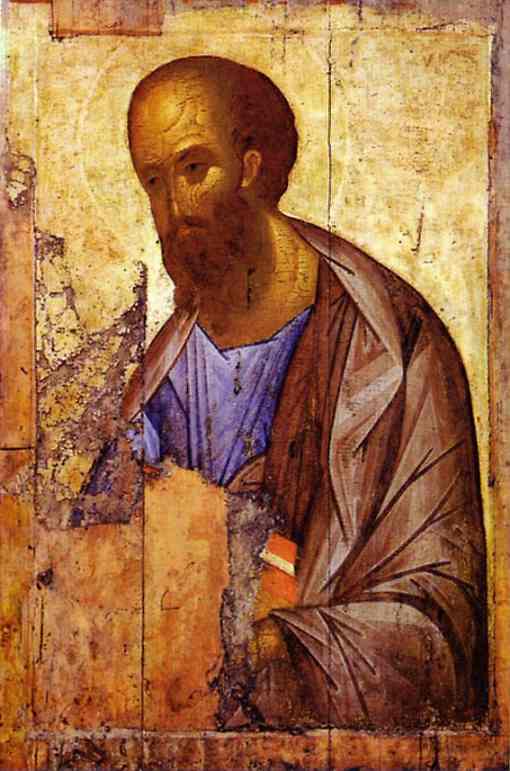
7 Observations on Sharing the Gospel from 1 Thessalonians

PaulI’ve been reading through the letters to the Thessalonians. These letters were written by Paul while on his 2nd Missionary Journey, sometime between 50 and 52 AD. Most scholars assume that the first letter was written shortly after Paul arrived in Corinth, after Timothy rejoined him & Silas. The second is also assumed to have been written in Corinth during the 18 month stay (Acts 18:11).

Paul’s missionary outreach to the city is captured in Acts 17:1-9. The stay is rather brief. How brief is a matter of debate. The Jewish people in the city became jealous when many people started to follow Christ so they stirred up the crowds and incited a riot that forced Paul and Silas to leave.

In Paul’s first letter to the Thessalonians, we can learn seven things about sharing the Gospel. Continue reading


Grace for All: Elect in Christ or into Christ, that is the Question

“Jacobus Arminius: Reformed and Always Reforming” is the next essay in Grace for All. It is written by J. Matthew Pinson, the President of Welch College and the author of the book Arminian and Baptist (reviewed here). The focus is on presenting Jacob Arminius as a Reformed theologian who held to the Belgic Confession and Heidelberg Catechism.415xXkjORGL

In order to defend Arminus as a Reformed theologian, Pinson examines Arminius’ writings showing where his views either fit or strayed from Reformed confessions.

the primary doctrinal difference between Arminius and his strict Calvinist interlocuters [was] how one comes to be in a state of grace or not, that is the doctrine of predestination.

Since the primary area of disagreement is predestination, and that has been the focus of the last two essays in Grace for All, we will briefly look at that aspect of Arminius’ theology.

The problem, as Arminus describes it in Declaration of Sentiments (link), was that Calvinist views on “predestination are considered, by some of those who advocate them, to be the foundation of Christianity”, yet this doctrine “comprises within it neither the whole nor any part of the Gospel”. Continue reading

What if: Could Anakin Skywalker have chosen not to become Darth Vader?

In Star Wars Episode III, The Revenge of the Sith, Jedi Master Mace Windu and Sith Lord Palpatine (aka Darth Sidious) are engaged in battle when Anakin Skywalker enters the room. As Anakin watches on, Palpatine fires force lightning which Windu deflects with his light saber. Locked in this struggle, the Sith looks at Anakin and cries out that he must choose whom he will help.

The young Jedi is faced with a decision.

  1. Help Mace Windu defeat Palpatine.
  2. Help Palpatine defeat Mace Windu.

In choosing to help Mace Windu, Anakin can reject the Dark Side and fulfill the prophecy that, as the Chosen One, he would bring balance to the Force. However, Anakin is fearful of losing Padme and wants Palpatine’s help. In helping the Sith Lord, Anakin would be completing his journey to the Dark Side and becoming Darth Vader.

It appears that Anakin has an important choice to make. Or does he? Continue reading