Blogging thru On the Incarnation: The Second Dilemma and Eudaimonia (part 10)

This is part 10 of the series blogging through the book On the Incarnation by Athanasius. You might want to start with part 1 and work your way through the series.

As we have noted, a careful reading, and, at least in my case, several re-readings of On the Incarnation reveals major themes in Athanasius’ theology. Over the course of both this work and its prequel he has laid out a foundation and has continually built upon it as he makes his case for the Incarnation and why it was necessary. In this post we will unpack the second dilemma that necessitated the Incarnation of the Word.

The Good Life is found in Contemplation

In Against the Gentiles, Athanasius described the proper state of human existence as a relationship with God rooted in contemplation (see part 2). By using our rational facilities to focus on the things above we may learn and understand “divine realities”. For Athanasius the Fall was the result of humans taking our focus away from the things above and directing it towards lower or more worldly things. In chapter 11 of On the Incarnation, Athanasius reiterates these ideas in laying out the basis for the second dilemma.

Just as mankind as a created being was mortal by nature, Athanasius will argue, we are also unable by nature (as originally created) to know or receive knowledge about the Creator. But God, desiring to be known, bestowed mankind with His own image. Among all the things that being made in the image of God might entail. it refers to God’s providing us with a rational soul from which He can be contemplated and perceived. This ability was what separated humans from the rest of the “irrational” creatures.

creating human beings not simply like all the irrational animals upon the earth but making them according to his own image, giving them a share of the power of his own Word, so that … being made rational, they might be able to abide in blessedness, living the true life
(chap 3) 1

The blessed life was to know the Creator.

Continue reading
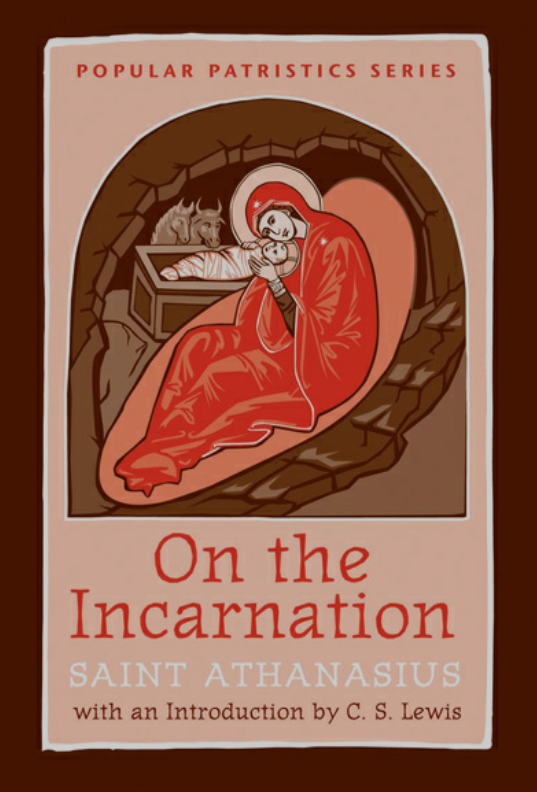
Blogging thru On the Incarnation: The First Dilemma and the Atonement (part 9)

This is part 9 of the series blogging through the book On the Incarnation by Athanasius. You might want to start with part 1 and work your way through the series.

In reading through On the Incarnation, we have been exposed to a great deal of Athanasius’ theology. As we start to explore the first dilemma that necessitated the Incarnation of the Word, we will do a quick recap of the main theological points Athanasius has made.

  • God created humans with a mortal nature
  • Humans enjoyed immortality through participation with the Word before the Fall
  • Participation with the Word was through contemplation of the Word
  • Humans turned their focus away from the Word to worldly pleasures and sunk deeper and deeper into evil
  • Humans were sentenced to death on account of the transgression. Without a connection with the Word to blunt their mortal nature they would die and return to non-being

Athanasius considers all of this and writes that “what happened was truly both absurd and improper.” The absurd and the improper each represent one of two horns of what Athanasius considers a dilemma for God to solve.

On the first horn Athanasius finds it “absurd that God, the Father of truth, should appear a liar for our profit and preservation.” Since God issued the law that humans would die if they transgressed He could not just dissolve the sentence. “If humans sentenced to death did not die then that would make God a liar. For God would not be true if, after saying that we would die, the human being did not die.” 1

Continue reading

The Lord Has Not Given You a Heart to Know (Part 3)

I recommend starting with part 1 if you have not read that already…

We started what has turned into a mini-series of posts by reading Deuteronomy 29:4 and asking three questions.

  • What is it that God is not giving the Israelites an ability to understand, perceive and discern?
  • Is this something the Israelites are only able to understand if God gives them an ability to perceive it?
  • What is the historical context of the day on which this is spoken and what has occurred before the statement is made?

Focusing on the immediate context, as well as the overall context of Deuteronomy, we found the historical context. Moses is addressing the Israelites as they are gathered at Moab. The Israelites are about to enter the Promised Land and Moses is transferring his leadership to Joshua. Given the phrase “to this day”, we concluded that it was reasonable to assume that the Lord has not given the Israelites an ability to understand, perceive nor discern something throughout the entire Exodus.

The immediate context, also answered the question that the something that the Israelites were unable to understand, perceive nor discern was all of the Lord’s activities, the signs and wonders, during the Exodus and the wilderness wandering. These activities were given to both teach the Israelites so that they would know the Lord and to test them.

Continue reading