Why could God not have made men such that they always freely choose the good?

Why is there so much evil and suffering in the world if the Judaeo-Christian God exists? This question presents us with the challenge known as the logical problem of evil. The solution to this problem, Scripturally and logically, is the high value placed on significantly free (ie libertarian free will (LFW)) people (see post).
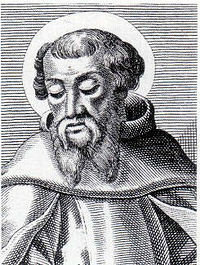
Irenaeus

Irenaeus

A common challenge to the free will defense (FWD) is that God could create a world in which significantly free people never “go bad”.  The FWD, as posited by philosopher Alvin Plantinga, however, rests on the idea that creating people with LFW makes such a world impossible (quotes).

God can create free creatures, but He can’t cause or determine them to do only what is right. For if He does so, then they aren’t significantly free after all. … He can’t give these creatures the freedom to perform evil and at the same time prevent them from doing so.

C.S. Lewis would agree with Plantinga, a world in which people are significantly free yet never do anything but good is not possible, even for an omnipotent God. Continue reading

It seems we have been made to suffer…

We have been teaching a class on the Foundations of the Christian Life. We are using C. Michael Patton’s book, Now That I’m a Christian, as a guide (see review here).

This week we tackled several questions related to God and evil – questions like ‘what is evil’ and how do we address the ‘problem of evil’.

While the mindless philosopher C3PO may be right that “we seem to be made to suffer”, the question is how does this fit with the notion of an all-powerful, all-knowing, and good God. Why is it that “bad things” happen to “good” people? Continue reading

Does God want all to be saved? A response to Dr. Kruger.

Dr. Kruger is the President and Professor of New Testament and Early Christianity at Reformed Theological Seminary (RTS). His interests in the formation of the NT canon and the early history of the church align with my interests in these areas. In a recent post on his blog (Canon Fodder), he writes about the question: does God really want all to be saved (link). It is a very short treatment, answering the question from a Reformed perspective.

By way of background, it is clear in Scripture that God’s desire is for all to be saved and none to perish (1 Tim 2:3-4; 2 Peter 3:9; Deut 30:19; Ezek 18:23,32; 33:11).

In the Reformed view, those who will be saved and those who will perish are rooted in the unchangeable and unconditional decree (or choice) of God. It is by God’s design that some (known as the elect) are granted mercy and an efficacious, irresistible grace so that they are saved. And it is by design that others (known as the reprobate) do not receive this same mercy and grace insuring that they perish. Continue reading