
This is an addendum to the series blogging through the book On the Incarnation by Athanasius. You might want to start with part 1 and work your way through the series. This is also an extension to a series of posts that explored The Early Church on Free Will. These can be found in the Series page under that heading.
In both Against the Gentiles and in On the Incarnation, Athanasius was primarily focused on articulating the reasons for the cross of Jesus. Since he is writing to believers to demonstrate the rationality of faith in Christ it isn’t surprising that he does not spend much space elaborating on how one would become a follower of Jesus.
so let the one not believing the victory over death accept the faith of Christ and come over to his teaching, and he will see the weakness of death and the victory over it. (On the Incarnation Chap 28)
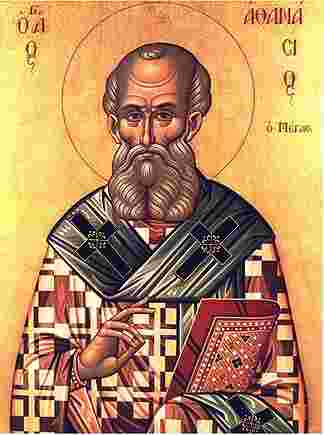
In Against the Gentiles he does offer some thoughts on the decision making capability that is inherent in people made in the image of God. Whether one would anachronistically label this libertarian free will or not, Athanasius’ viewpoint would not readily align with the doctrines of original sin that would be debated nearly a century later by Augustine against Pelagius. His view on decision making also falls in line with his contemporaries and predecessors.
In chapter 4, he notes that people are “by nature mobile”. That is an odd turn of phrase. Given it is an underlying part of his understanding of humankind we should quickly touch on what Athanasius means by this claim.
For being by nature mobile … 1
Athanasius does not explain the phrase, however the idea he has in mind is likely related to the Greek philosophical ideas of motion. We saw how Athanasius draws on the idea of eudaimonia as well as motion in the series that explored On the Incarnation.
Continue reading
 Dead Heroes Don't Save