An Ancient Theologian explains Tradition

Irenaeus, a 2nd century theologian, defended Christianity from the Gnostic philosophies that were popular at the time. His 5 volume work, Against Heresies, dedicates the first two volumes to describing the Gnostic views and then precedes to dismantle them in the remaining volumes.
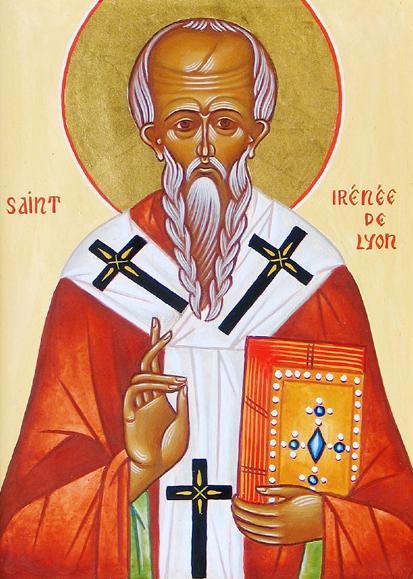
saint_irenaeus_oflyonsThroughout the work we are invited to explore the fundamental beliefs of the early church as they are contrasted with the opposing system.

Underlying Irenaeus’ defense lies the questions: how do we know what the truth is? and how do we decide between different interpretations of Scripture?

The heretics did not just offer a different worldview. They were using Scriptures to uphold their ideas – which centered on two gods – a good one and an evil one. It was the evil god who created the physical world that we must rid ourselves of. Continue reading
5 things to know about the false teachers in 1 John

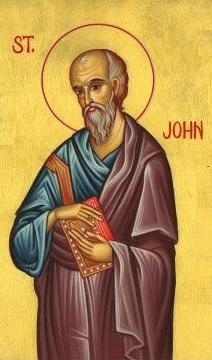
The Apostle JohnThe writing we call 1 John is written by the Apostle John to deal with a specific situation occurring in the churches he oversaw in Asia Minor. False teachers had caused his flock to doubt that they possessed eternal life (1 John 5:13).

1. The false teachers (or prophets) were part of the Johannine Community. They have left the church, or perhaps were forced out. They likely were in leadership positions based on their influence and the fact that they are teachers (1 John 2:18-19; 2 John 1:7-11; 4:1). Continue reading

Irenaeus On Election and Free Will

This is a series that will be updated periodically that captures the early church views on free will and election. In part 1 we looked at some statements regarding Irenaeus’ views on free will and election. Some time ago we also examined the Rule of Faith (orthodoxy) held by Irenaus.

saint_irenaeus_oflyonsBefore looking at what else Irenaeus has to say, let’s take a look at what Charles Spurgeon has to say regarding this topic from his sermon titled “Election“. First he asserts that should one look through the doctrine of the ancients they would struggle to find those who did not hold to his views on election:

Were I a Pelagian, or a believer in the doctrine of free-will, I should have to walk for centuries all alone. Continue reading