
This is part 2 of the series blogging through the book On the Incarnation by Athanasius. You might want to start with part 1 and work your way through the series.
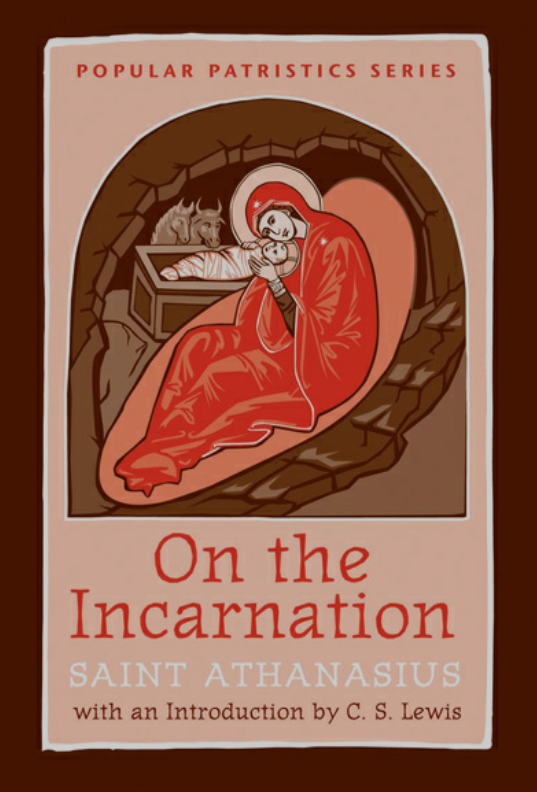
The opening statements of the first chapter in On The Incarnation refer to a prior work of Athanasius. That work is Against the Gentiles.
In what preceded we have sufficiently treated a few points from many, regarding the error of the Gentiles concerning idols and their superstition, how their invention was from the beginning, and that out of wickedness human beings devised for themselves the worship of idols.
On the INcarnation chap 11
The translator Behr suggests that “[both works] need to be considered together, for the first work sets up the problem that the second resolves.”2 Therefore, before reading On the Incarnation, I took the time to read Against the Gentiles.
In Against the Gentiles, Athanasius explores how idolatry came into existence and then spends a great portion of the work refuting it in all of its forms. If I were to summarize the work, Against the Gentiles is a full length treatment of the concepts laid out in Romans 1:18-28. Athanasius will start by explaining the power all people have to direct their attention to God. He will then show that each person knows God but suppresses the truth that is available. He then traces the history of futility as mankind traded the Creator for the created. An exchange that leads down a path deeper and deeper into darkness, accepting various forms of idolatry and adopting sinful behaviors. He will also point to our need to avail ourselves of the ability we have to turn back to God. Throughout the work, Athanasius focuses on the rationality that exists in mankind. Therefore he dedicates part of the work toward defending the existence of the soul, for him the seat of rationality. He concludes by showing that Nature reveals a Creator.
Continue reading
 Dead Heroes Don't Save