On one of the Society of Evangelical Arminian (SEA) forums, we were exploring illustrations on how we might describe the world, specifically how can we describe the interactions between God’s sovereignty and man’s freedom and responsibility.
In one view life is like an improv show. Think of the show Whose Line is it Anyway? In that show several comedians would get up on stage and do what comedians are supposed to do – try to make people laugh. They would do this by acting out various scenes, making up songs, and throwing out various zingers.
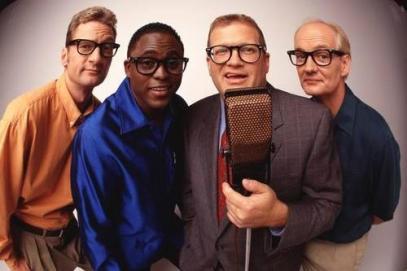
What really made the show entertaining was the fact that it was unscripted. The actors had to come up with their material on the fly.
But the show was not a free for all. The actors were free to do just about anything to get a laugh but had to work within certain constraints. The moderator Drew Carey would guide the comedians on stage influencing what was happening by setting up the theme and making available different props. Sometimes Drew would even interact with them as they performed playing off of what they were doing.
In another view, life is like a comedic movie. Well maybe not necessarily comedic but I was keeping with the theme above. The movie tells a story which is written out ahead of time in a script.  The script describes everything that will happen in that movie, scene by scene. The lines that are said, the responses that people have, and actions they take, are all written out ahead of time. The script is there to make sure that the story is told in just the right way and ends up just they way it is supposed to.
The actors in the movie are each playing a part. They (usually) are not free to change what is going to happen. They must act in the ways that the script has predetermined they should, with the director, who oversees the whole project, making sure that the script is followed.