When Abraham’s son Isaac becomes a father, it is over twin boys. The older boy is named Esau, who was a skilled hunter and outdoorsman. Jacob, the younger boy, was a herdsman. 1 These two sons would not only be very different in their temperaments and skillsets but also in the roles they would play within the story of the nation of Israel. A story that is told throughout the books of the Old Testament.
Jacob, who will later be given the name Israel, is the one through whom God often identifies Himself.
The Lord [is] the God of Abraham, the God of Isaac, and the God of Jacob2
It is through the line of Jacob that the nation of Israel would be established and the physical lineage of the Messiah would be traced.3
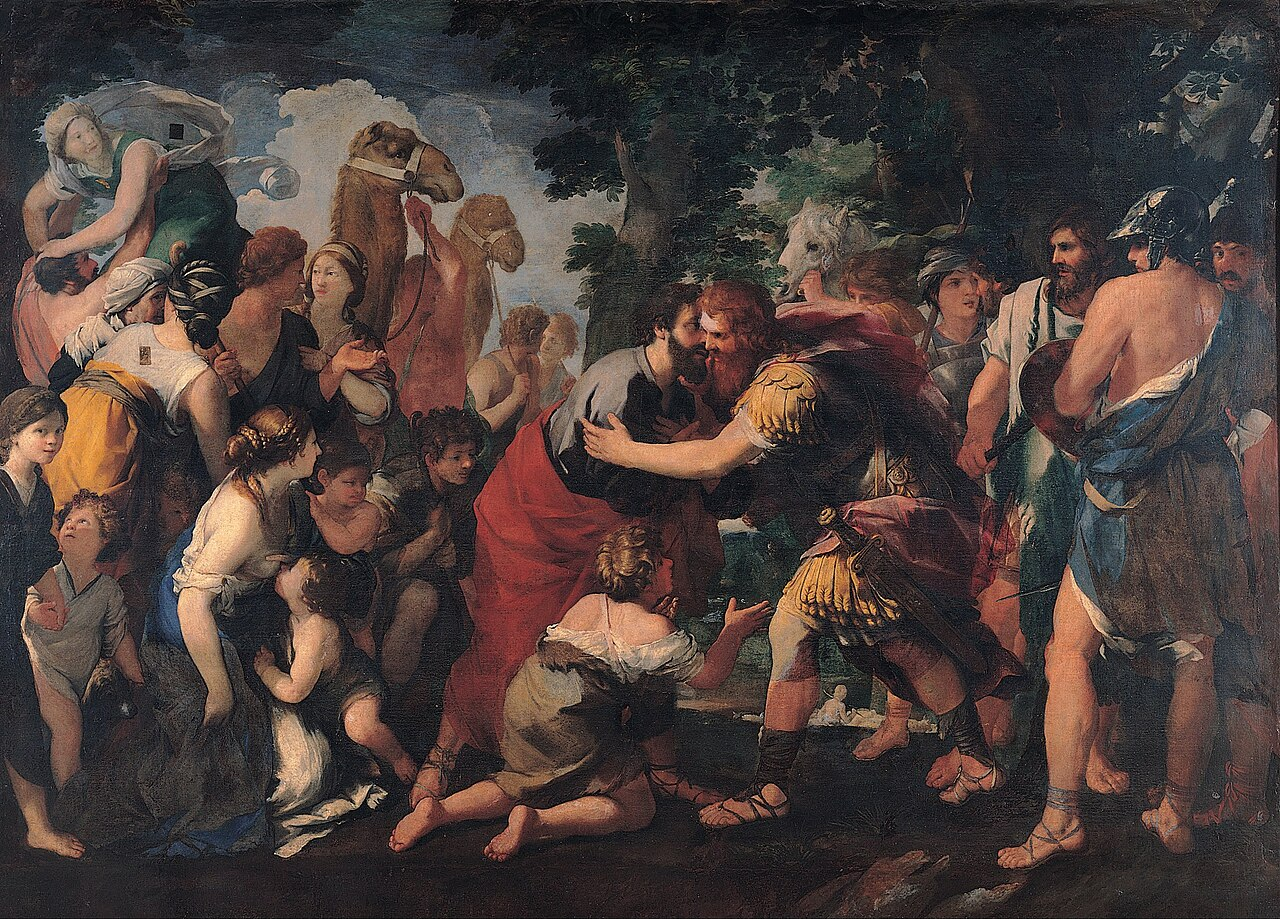
But what happened to Esau? Did the man who traded away his birthright, was cheated out of his blessing and founded the nation of Edom also end up unrepentant and eternally lost as many suppose? After all we find God telling us it was “Jacob I loved but Esau I hated.” 4
To answer that question we must start at the beginning. Isaac’s wife Rebekah is pregnant. And before the twins were born God tells her that:
Two nations are in your womb,
and two peoples will be separated from within you.
One people will be stronger than the other,
and the older will serve the younger5
This is widely understood as God informing Rebekah about the larger destinies of her two children and the nations that they will found.
Part of this prophetic word encompasses the promise God made to Abraham telling him that he would be “the father of a multitude of nations.” 6 This promise would primarily be centered on the nation of Israel though the line of Jacob 7. But it also includes the nation(s) founded by Ishmael, his older son through Hagar, and the nation of Edom founded by Esau, the older son of Isaac.8
Not only is God telling Rebekah that each of her sons will found a separate nation. It is also commonly understood that the Lord is also disclosing to her that it is through Jacob, not Esau, that He will fulfill the promises made to Abraham.9 It is the nation of Israel that will be the “apple of his eye” and His special possession. 10 Paul reminds us that this decision was made “before they were born or had done anything good or bad.”11
Continue reading