Young, Restless, & Reprobate?

If we look at the account across the three Synoptic Gospel accounts (Matthew 19:16-30; Mark 10:17-31; Luke 18:18-30) we notice several things about the Rich Young Ruler (RYR) as he approaches Jesus.

  1. He is running up to Jesus.
  2. He falls on his knees, which may be a sign of honor, but in this case is more likely a position of imploring (Matt 17:14-15; Mk 1:40).
  3. He addresses Jesus as “Good Teacher”.
  4. He asks what “good” must he do to gain/inherit eternal life.

The RYR has come with an urgent question and a desire to learn from Jesus, recognizing Him as one who teaches with authority (Matt 7:29). We can assume that he comes without an ill intent (unlike the Pharisees and scribes (Matt 19:3; 22:35; Mark 10:2; 12:13)), but is genuinely seeking to understand how to inherit eternal life (like Nicodemus in John 3).

Jesus’ response (as most commentators note) must have caught the RYR off guard.

Why do you call me good? No one is good except God alone.

What was probably meant as a sign of respect has just become a theological lesson. This was probably Jesus’ way of forcing the young man to wrestle with the question: who do you say that I am? Continue reading
Philosophize with him!

A Calvinist writer, Randy Seiver, with whom I have engaged in discussion from time to time has written a post asking several questions about prevenient grace. Most of the questions center around how enabling grace works and whether it can be resistible.

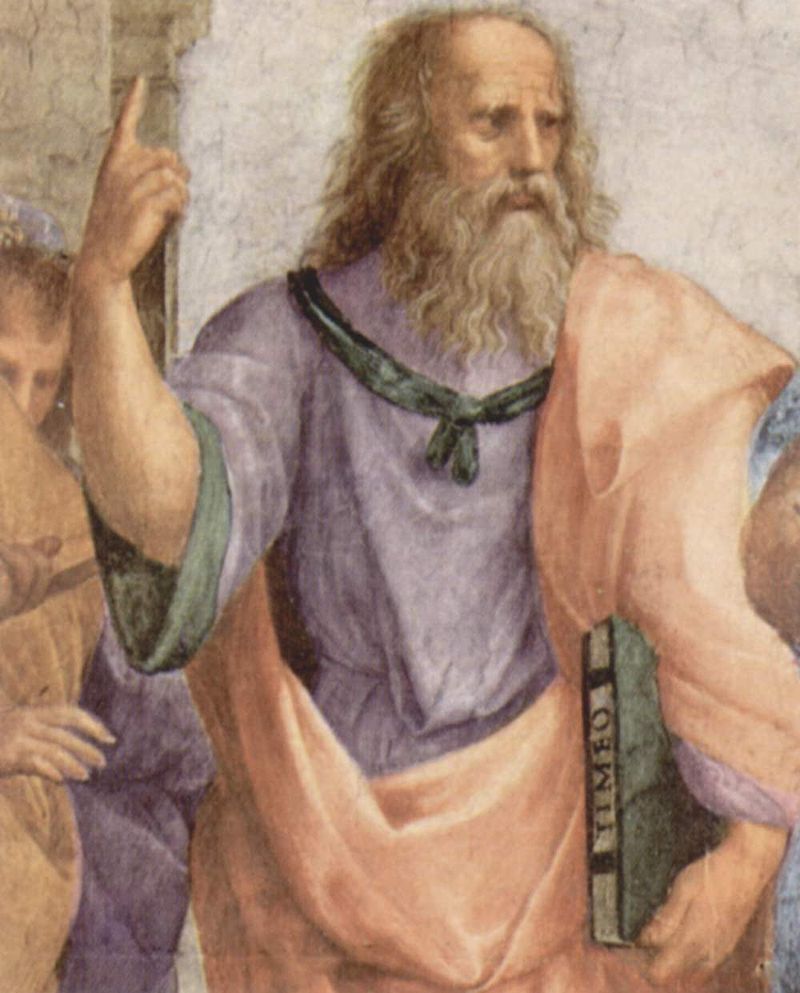
Plato_School_of_athens_800px-Raffael_067I am not going to tackle these questions in this post. Instead I am going to tackle something he says in part of his opening statement. Before posing questions, Randy lays down two charges against those who reject Calvinism. The first is that they have a system built on philosophy. The second is that their system is not a biblical one.

I would like to pose a few “philosophical” questions about their position … . Since their position is a philosophical and not a biblical one, I should be permitted to ask what they call “philosophical questions.”

It is this set of charges that I want to address.

Before we begin we need to ask and answer two questions.

  • What is philosophy?
  • What does it mean to be Biblical?

Continue reading

An Ancient Theologian takes an ironic look at Judgment Day

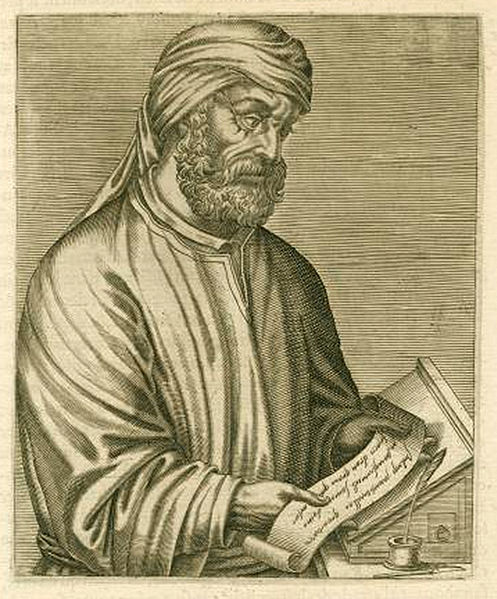
497px-TertullianTertullian closes out his work, Prescription against Heretics, reminding his readers that we all will stand at the judgment seat of Christ (2 Cor 5:10). In his mind he imagines all of the excuses that the heretics and those they deceived will offer to Christ for their rejection of Him.

Allowing his imagination to continue, Tertullian, with unmistakable sarcasm, paints a picture of what judgment might look like for the disciples of Christ who endured in their faith should the heretics prevail in their argument and be given entrance into the kingdom. Each biting comment is a jab at one of the false doctrines that were prevalent during his time. The text (in italics) that follows is an excerpt from the concluding chapter of his book.


If, however, any, being mindful of the writings and the denunciations of the Lord and the apostles, shall have stood firm in the integrity of the faith, I suppose they will run great risk of missing pardon, when the Lord answers: Continue reading