Walkin’ in the Desert (Satire for the Book of Numbers)

Black Sabbath wrote a song, After Forever, asking if one ever stops to consider death without Christ. Metallica explored themes from Exodus in Creeping Death.

Inspired by an exchange on the X platform, we consider what a song based on the events in Numbers might look like in the hands of Guns N’ Roses. This is meant to be sung to the tune of Welcome to the Jungle.

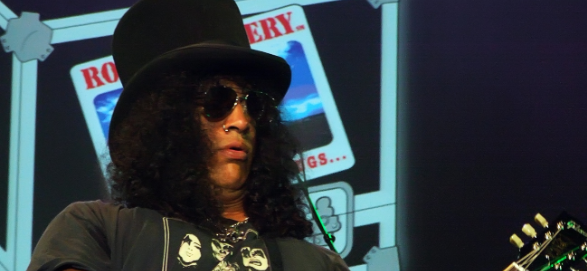
Slash performing at the Nokia Theater in New York in 2008

Walkin’ in the desert, is not fun and games
We left everything behind
Moses, counted the names

We are the people God did find
enslaved by Pharoah’s greed
We took all his money, honey,
and crossed thru the seas

Continue reading

Blogging thru On the Incarnation: Athanasius, Faith and Free Will

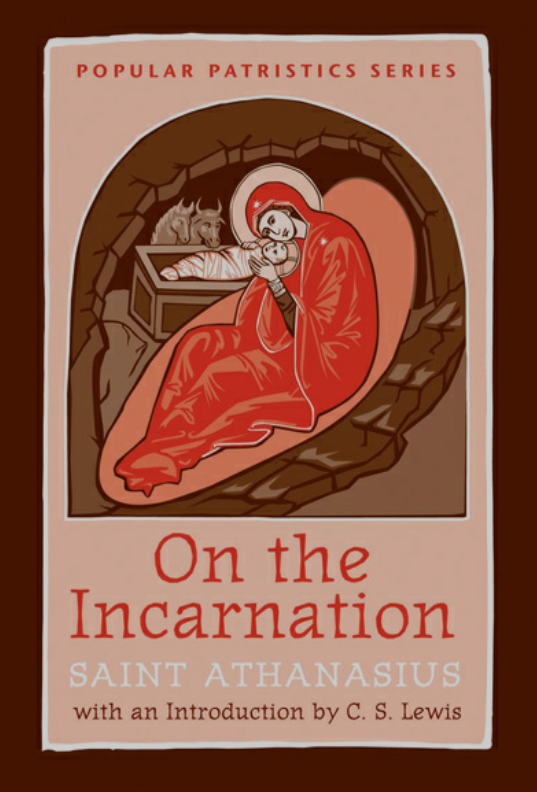
This is an addendum to the series blogging through the book On the Incarnation by Athanasius. You might want to start with part 1 and work your way through the series. This is also an extension to a series of posts that explored The Early Church on Free Will. These can be found in the Series page under that heading.

In both Against the Gentiles and in On the Incarnation, Athanasius was primarily focused on articulating the reasons for the cross of Jesus. Since he is writing to believers to demonstrate the rationality of faith in Christ it isn’t surprising that he does not spend much space elaborating on how one would become a follower of Jesus.

so let the one not believing the victory over death accept the faith of Christ and come over to his teaching, and he will see the weakness of death and the victory over it. (On the Incarnation Chap 28)

In Against the Gentiles he does offer some thoughts on the decision making capability that is inherent in people made in the image of God. Whether one would anachronistically label this libertarian free will or not, Athanasius’ viewpoint would not readily align with the doctrines of original sin that would be debated nearly a century later by Augustine against Pelagius. His view on decision making also falls in line with his contemporaries and predecessors.

In chapter 4, he notes that people are “by nature mobile”. That is an odd turn of phrase. Given it is an underlying part of his understanding of humankind we should quickly touch on what Athanasius means by this claim.

For being by nature mobile … 1

Athanasius does not explain the phrase, however the idea he has in mind is likely related to the Greek philosophical ideas of motion. We saw how Athanasius draws on the idea of eudaimonia as well as motion in the series that explored On the Incarnation.

Continue reading

Blogging thru On the Incarnation: The First Dilemma and the Atonement (part 9)

This is part 9 of the series blogging through the book On the Incarnation by Athanasius. You might want to start with part 1 and work your way through the series.

In reading through On the Incarnation, we have been exposed to a great deal of Athanasius’ theology. As we start to explore the first dilemma that necessitated the Incarnation of the Word, we will do a quick recap of the main theological points Athanasius has made.

  • God created humans with a mortal nature
  • Humans enjoyed immortality through participation with the Word before the Fall
  • Participation with the Word was through contemplation of the Word
  • Humans turned their focus away from the Word to worldly pleasures and sunk deeper and deeper into evil
  • Humans were sentenced to death on account of the transgression. Without a connection with the Word to blunt their mortal nature they would die and return to non-being

Athanasius considers all of this and writes that “what happened was truly both absurd and improper.” The absurd and the improper each represent one of two horns of what Athanasius considers a dilemma for God to solve.

On the first horn Athanasius finds it “absurd that God, the Father of truth, should appear a liar for our profit and preservation.” Since God issued the law that humans would die if they transgressed He could not just dissolve the sentence. “If humans sentenced to death did not die then that would make God a liar. For God would not be true if, after saying that we would die, the human being did not die.” 1

Continue reading