
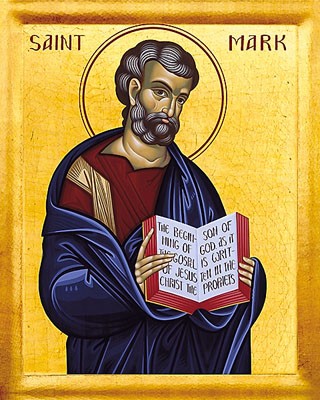
The earlier posts in this series (part 1) explored the early evidence that a person named Mark is the author of the book we call the Gospel of Mark. This author was further identified as John Mark who makes brief appearances throughout the NT (part 6).
There is a prevailing opinion that the Gospels were not written by eyewitnesses and that those who did write them did not consult the eyewitnesses. These authors simply wrote the stories that they had heard.
Even though there may well have been eyewitnesses alive some 35-40 years after Jesus’ death, there is no guarantee – or, I would argue, no reason to think – that any of them were consulted by the authors of the Gospels when writing their accounts. The eyewitnesses would have been Aramaic speaking peasants almost entirely from rural Galilee. Mark was a highly educated, Greek speaking Christian living in an urban area outside of Palestine (Rome?), who never traveled, probably, to Galilee. So the existence of eyewitnesses would not have much if any effect on his Gospel. (emphasis added) 1
– Bart Ehrman
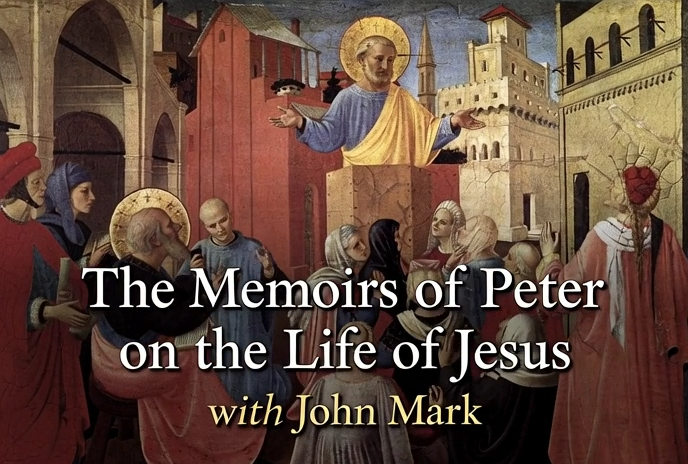
While Mark was not a disciple of Jesus during His earthly ministry the extant evidence affirms that he wrote down what Peter was teaching and proclaiming. Peter was, of course, an eyewitness and one of the three closest disciples to Jesus. We have seen that Mark and Peter would have known each other over a period of decades. This familiarity would give the author of the Gospel of Mark lots of opportunities to talk with him, ask questions and to hear his teaching. In addition, Mark’s mother was hosting meetings where Christians would gather. There would be no reason to think that most of the people that assembled were also eyewitnesses of Jesus’ teaching and healing (Acts 2:22; 12:12). Mark would have met and conversed with them as well. That should counter any idea that eyewitnesses did not have much effect on what was written.
 Dead Heroes Don't Save