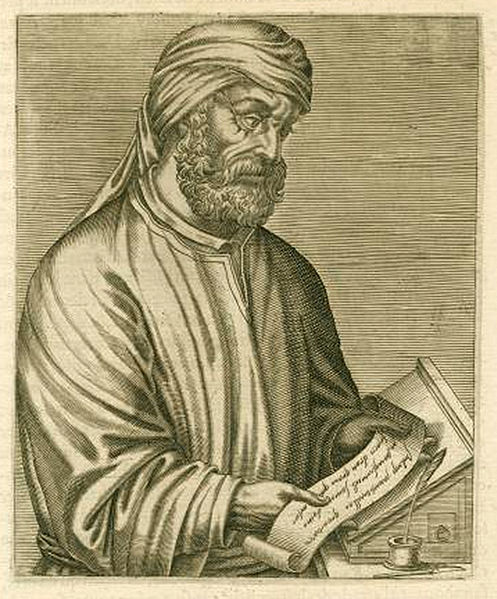
An Ancient Theologian takes an ironic look at Judgment Day

497px-TertullianTertullian closes out his work, Prescription against Heretics, reminding his readers that we all will stand at the judgment seat of Christ (2 Cor 5:10). In his mind he imagines all of the excuses that the heretics and those they deceived will offer to Christ for their rejection of Him.

Allowing his imagination to continue, Tertullian, with unmistakable sarcasm, paints a picture of what judgment might look like for the disciples of Christ who endured in their faith should the heretics prevail in their argument and be given entrance into the kingdom. Each biting comment is a jab at one of the false doctrines that were prevalent during his time. The text (in italics) that follows is an excerpt from the concluding chapter of his book.


If, however, any, being mindful of the writings and the denunciations of the Lord and the apostles, shall have stood firm in the integrity of the faith, I suppose they will run great risk of missing pardon, when the Lord answers: Continue reading
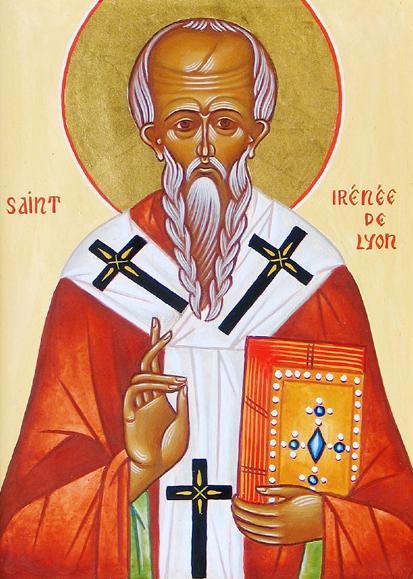
An Ancient Theologian explains Tradition

Irenaeus, a 2nd century theologian, defended Christianity from the Gnostic philosophies that were popular at the time. His 5 volume work, Against Heresies, dedicates the first two volumes to describing the Gnostic views and then precedes to dismantle them in the remaining volumes.

saint_irenaeus_oflyonsThroughout the work we are invited to explore the fundamental beliefs of the early church as they are contrasted with the opposing system.

Underlying Irenaeus’ defense lies the questions: how do we know what the truth is? and how do we decide between different interpretations of Scripture?

The heretics did not just offer a different worldview. They were using Scriptures to uphold their ideas – which centered on two gods – a good one and an evil one. It was the evil god who created the physical world that we must rid ourselves of. Continue reading

Using the Early Church as bumpers (Some Quick Case Studies)

In the last post we examined the idea of using the early church theologians as guides to help us make sure that we are rightly interpreting Scripture and evaluating doctrine. In this post we will explore how the principles presented in that post might work when the “bowling ball is thrown down the alley”. Or using the more common expression when the “rubber meets the road”.

Before we go much further let’s make sure we understand what this post sets out to do and what it does not set out to do. Each of the case studies presented in this post are not meant to be a full treatment on the subject.There are other aspects that can be brought into the discussion to provide a more robust examination. Obviously, it is not my goal to settle each of these doctrinal debates in this post.The main point of this post is to highlight how the early church writings can be used as part of a theological argument. Continue reading