
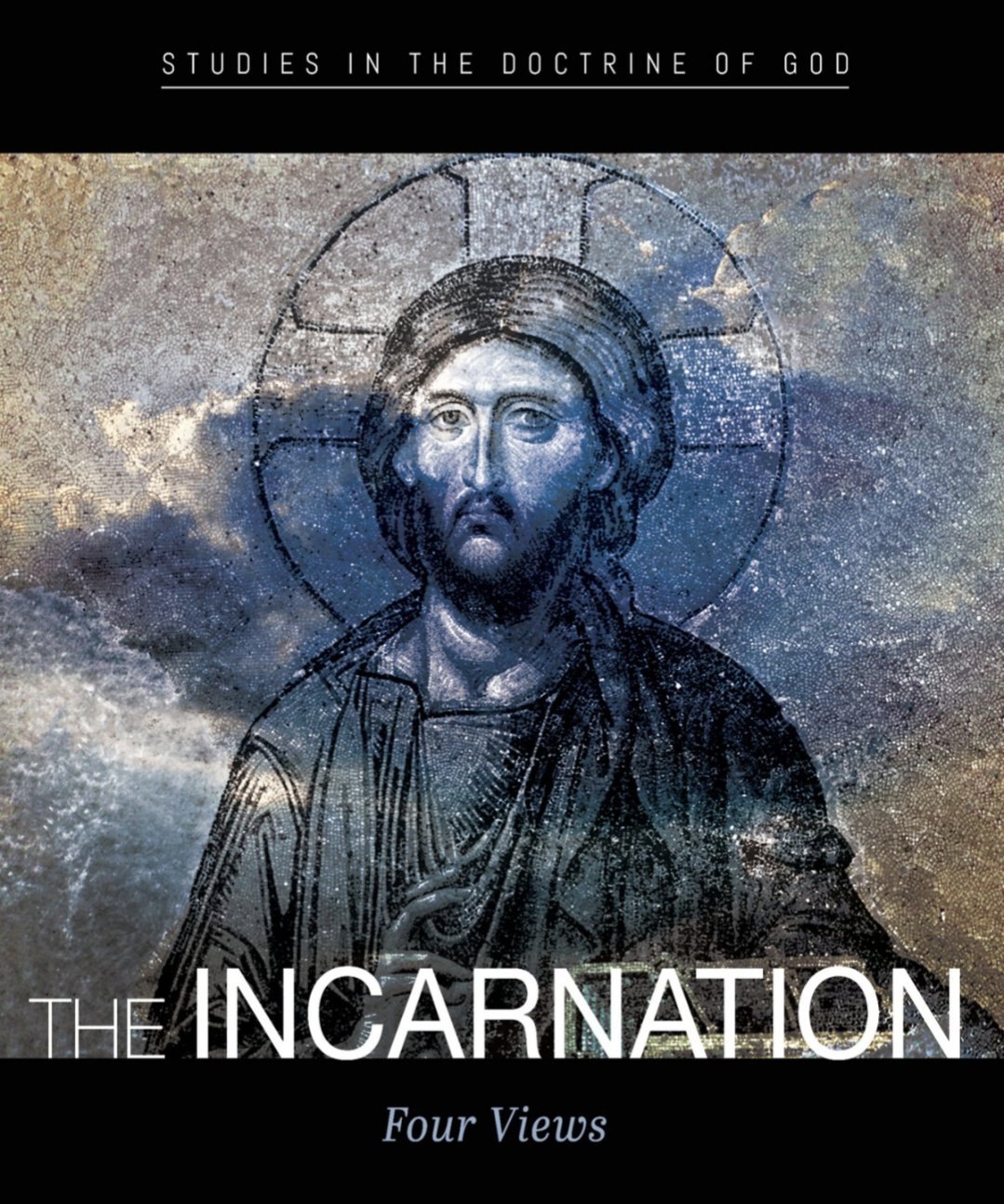
This is part of a series of posts exploring each of the views presented in The Incarnation Four Views edited by Andrew Hollingsworth and R.T. Mullins.
View 4: Relative Identity
Joseph Jedwab is an Associate Professor of Philosophy and Government at Kutztown University. He has published several papers, including a review of Timothy Pawl’s In Defense of Conciliar Christology.
Jedwab has the unusual position of writing and defending a model that he does not hold.1 In fact he admits that he doesn’t endorse any model, but does encourage the proposal of many possible models to solve the challenges of the Incarnation.2
Examining the Relative Identity (RI) model he presents is going to be a challenge due to its complexity. Two of the contributors, Loke and Evans, note that they are confused. 3 The other contributor, Pawl, admits that Jedwab’s essay is “daunting”.4 And, I remind you, these are philosophy professors.
One more thing worth noting is that RI, like NSN, sees the Incarnation as a logic problem and relies on formal logic to present the premises in a way that is non-contradictory. Unlike the two kenotic models, RI does not provide a positive explanatory story about how Jesus can be fully divine and human. A point that Jedwab concedes.
The RI model, though, leaves us with a mystery. We cannot fully understand how it could be that different persons are the same being or that different beings are the same person. 5
In his essay Jedwab presents several pages of logical premises and conceptual truths that present apparent contradictions. He also presents several formulas related to RI relations to work through a possible solution.
An example of an apparent contradiction might be (numbering carried over from the essay):
- P1: The Son is divine and human 6
- P2: Everything divine is uncreated
- P3: Everything human is created
The RI model seeks to solve for the contradictory claim that the Son is both uncreated and created.
Before digging into the basics of what RI relations can offer Christology as a solution, I will do my best to explain what the RI model sets out to do more broadly first.
Identity
The philosophical problem of identity is brought to the forefront in this proposed model. The absolute (or standard) model of identity has four major properties.7

