What if: Could Anakin Skywalker have chosen not to become Darth Vader?

In Star Wars Episode III, The Revenge of the Sith, Jedi Master Mace Windu and Sith Lord Palpatine (aka Darth Sidious) are engaged in battle when Anakin Skywalker enters the room. As Anakin watches on, Palpatine fires force lightning which Windu deflects with his light saber. Locked in this struggle, the Sith looks at Anakin and cries out that he must choose whom he will help.

The young Jedi is faced with a decision.

  1. Help Mace Windu defeat Palpatine.
  2. Help Palpatine defeat Mace Windu.

In choosing to help Mace Windu, Anakin can reject the Dark Side and fulfill the prophecy that, as the Chosen One, he would bring balance to the Force. However, Anakin is fearful of losing Padme and wants Palpatine’s help. In helping the Sith Lord, Anakin would be completing his journey to the Dark Side and becoming Darth Vader.

It appears that Anakin has an important choice to make. Or does he? Continue reading

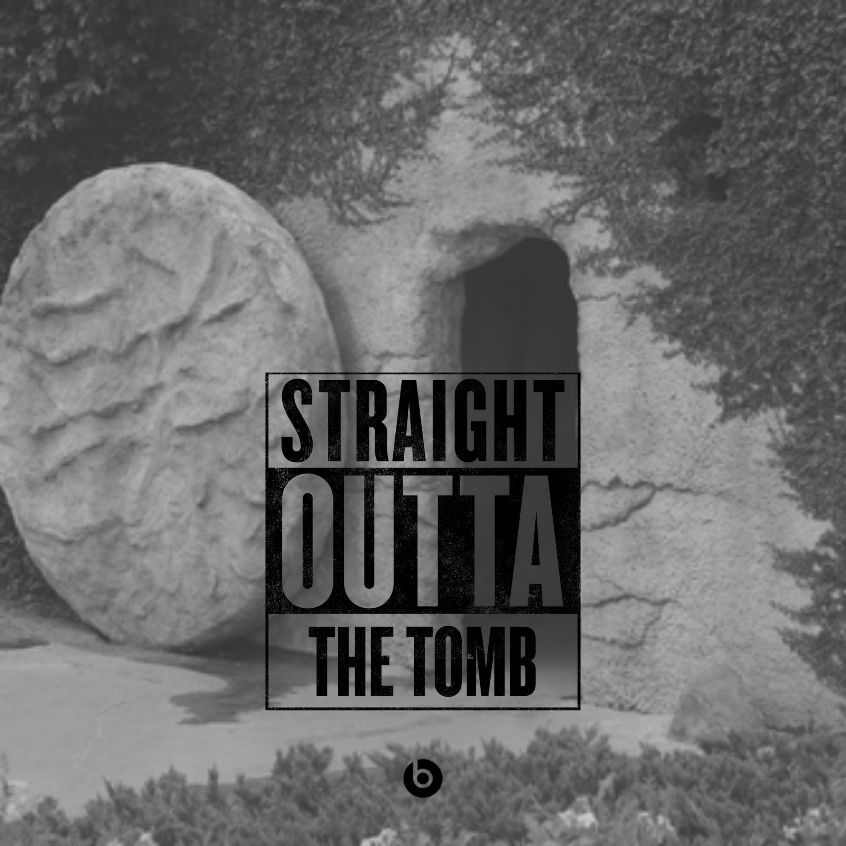
Straight Outta the Tomb

StraightOuttaTomb

My point is … a first-century Jew, faced with the crucifixion of a would-be messiah, or even of a prophet who had led a significant following, would not normally conclude that this person was the Messiah and that the kingdom had come. He or she would normally conclude that he was not and that it had not.

Why did Christianity even begin, let alone continue, as a messianic movement, when its Messiah so obviously not only did not do what a Messiah was supposed to do but suffered a fate which ought to have showed conclusively that he could not possibly have been Israel’s anointed? Why did this group of first-century Jews, who had cherished messianic hopes and focused them on Jesus of Nazareth, not only continue to believe that he was the Messiah despite his execution, but actively announce him as such in the pagan as well as the Jewish world, cheerfully redrawing the picture of messiahship around him but refusing to abandon it? Their answer, consistently throughout the evidence we possess, was that Jesus, following his execution on a charge of being a would-be Messiah, had been raised from the dead.

– NT Wright (Christian Origins and the Resurrection of Jesus)

Grace for All: Exploring Predestination in the Old Testament

David A. Clines, Emeritus Professor (link) at the University of Sheffield, has specialized in the Hebrew language and study of the Old Testament. In Grace for All, David seeks to summarize the predestinarian ideas found in the OT.

415xXkjORGLHe does this, not by focusing on a few passages, but by analyzing the larger themes found in four major collections of the Hebrew Scriptures.

  • Patriarchal histories in Genesis
  • Primeval histories in Genesis
  • Proverbs/Wisdom literature
  • Prophetic literature

In the essay Clines defends this approach and asks the reader to consider how they approach this topic in the Scriptures.

No doubt there are many reasonable inferences that may be made from biblical statements about predestination. But to be faithful to the Bible means in part to follow the Bible’s emphases and not erect mere inferences into essential biblical doctrine.

Continue reading