Justin Martyr: The Problem of Evil (Christmas Edition)

Do not be afraid! Listen carefully, for I proclaim to you good news that brings great joy to all the people

In explaining the meaning of Christmas, Justin tackles the problem of evil by examining the massacre of infants ordered by Herod. Think for a moment about what life would have been like in Bethlehem for parents with young children.
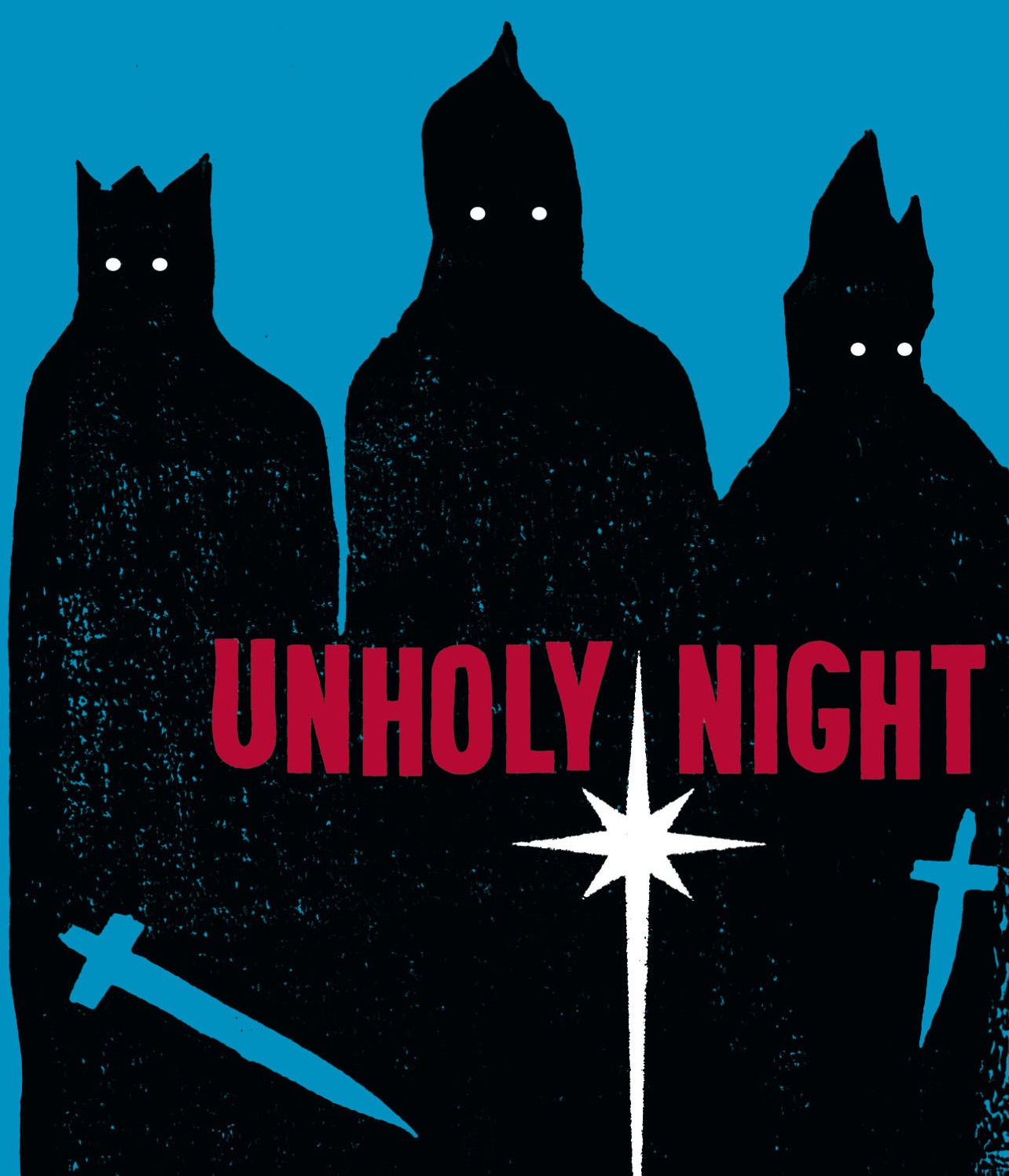
BookCover_UnholyNightIf you have trouble imagining what it might be like, Unholy Night, the mashup by Seth Grahame-Smith (of Abraham Lincoln Vampire Hunter fame) may help. In this book he relates some of the horrors unleashed by Herod.

a woman in dark robes, running barefoot toward them down one of the cobblestoned streets. Running faster than she’d run in her life, because nothing in her life had ever been as important. …

There was a baby in her arms.

Naked. Tiny. Held to its mother’s breast as she ran from the horse. The black horse galloped after them with a soldier on its back, his armor clanging around him, his sword drawn.

That image should make you recoil. Continue reading →
(Almost) Wednesday with Wesley: The Reasonable Faith is of Grace

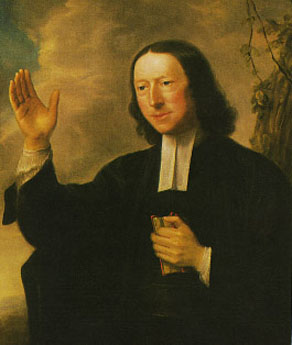
As theologians we can often get wrapped up in thinking about God and the Scriptures. We want to understand our Creator and the truths that He has revealed. In order to do that we must use logic and reasoJohn_Wesleyn. John Wesley cautioned those who would minimize the need for reason in theology and in living a virtuous life.

Wesley was a strong proponent of the use of reason. But was wise in reminding us of its limitations. Continue reading →

How Free is Free Will?

Over the last week I have been in a discussion over soteriology, which started with the request to define free will. Free will can be a hard concept to define because there are very different ideas of what it means and how it works.

This discussion was not with Michael Patton. However, he has written an excellent post entitled “A Calvinist’s Understanding of Free Will”, explaining free will from the Determinist/Reformed point of view. The points raised in this post are representative of the problems often cited against libertarian free will .

In this post libertarian freedom is defined as the ability to choose against who you are.

If you ask whether a person can choose against their nature (i.e. libertarian freedom) the answer, I believe, must be “no.” A person’s nature makes up who they are. Who they are determines their choice.

This definition may be how Reformers define and understand libertarian freedom, but this is not how proponents of libertarian free will (Arminians) would define it (noted later in the post). That aside, most proponents would agree with the idea that who a person is determines the choices that they make. Most would also accept the notion that a person can not choose against who they are. Continue reading →