Questions on the End Times after reading Letters to the Thessalonians

Readers of the blog know I have been reading through the letters to the Thessalonians. These letters are written after Paul’s brief stay in the city, having been chased out by rioters protesting the spread of the Gospel. These letters are probably best known for their references to various events that will occur in the end times.

The information provided in these letters address the specific concerns that the Thessalonians have about the end times. As we read them we have to remember that we are only seeing one half of the conversation. We don’t have a full picture of what misconceptions these new believers had. Complicating things further, Paul’s responses provide summarized pieces of information that are meant to help the Thessalonians remember the details that he had already imparted (1 Thess 5:1-2; 2 Thess 2:5-6).
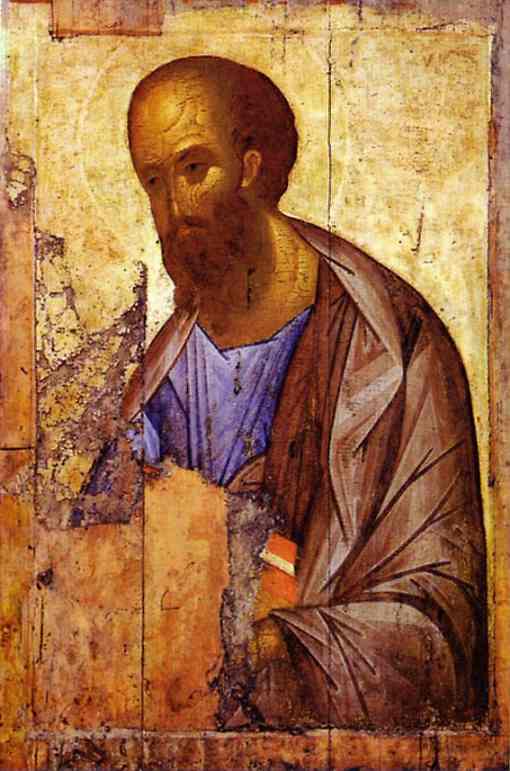
Paul
In the first letter, after expressing his joy regarding the firm faith of the new, persecuted believers, Paul addresses the concern that Timothy brought to his attention. It seems that the Thessalonians are concerned about the fate of loved ones who are in Christ but have died. What will happen to them when Christ returns? Paul explains that both those who are alive and those who have died will all meet Christ at His coming and be with Him forever (1 Thess 4:13-18).

Another concern is addressed in the second letter. Here Paul informs the Thessalonians that the coming of the Lord has not come yet. It seems that misinformation was being spread that the day of the Lord was upon them (2 Thess 2:1-12). Between the two letters the challenge facing the young church seems to have shifted from worrying about dead believers who will miss a future event, to a concern that living believers had missed a recently past event.

In this post, we will make some observations and ask some questions based on what Paul writes in these letters.
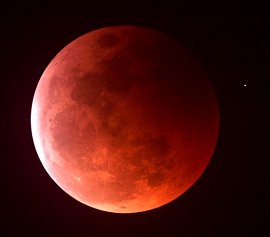
Imagery from NASA

Imagery from NASA

Does Jesus gather the elect in one major event or two?

Paul describes an event in chapter 4 of the first letter, which many consider the same event described in 1 Cor 15:50-57. This event is often called the rapture. Paul describes another event in chapter 5 and chapters 1 and 2 of the second letter. This event is called the the day of the Lord, and has several events that will precede it, including the apostasy and the revelation of the Antichrist, who Christ will slay at His coming. The question is does Paul describe two separate events (a rapture and the 2nd coming) or are these all descriptions of the same event (the 2nd coming). Continue reading →

Grace for All: John Wesley challenges Reformers on Reprobation

Just as Pinson examined the theology of Arminius Grace for All, Vic Reasoner explores the theology of John Wesley. Reasoner is the president of Southern Methodist College (link) and an author, having written a Wesleyan commentary on Romans (link).

415xXkjORGLReasoner starts off surveying the various scholars who have studied and interpreted John Wesley over the last 50+ years, highlighting Thomas Oden recently published 4 volume set that is considered “the first systematic exposition” of Wesley’s theology (amazon).

Reasoner, exploring numerous aspects of Wesleyan theology, starts off the affirming God’s sovereignty.

Wesleyan-Arminians affirm God’s sovereignty, but believe that God has the prerogative of not always exercising total sovereignty. Thus we have true libertarian freedom. Yet God never surrenders the consequences of our free choices to us. … God is so sovereign he can allow human rebellion, yet that rebellion does not thwart his ultimate purpose.

Continue reading →

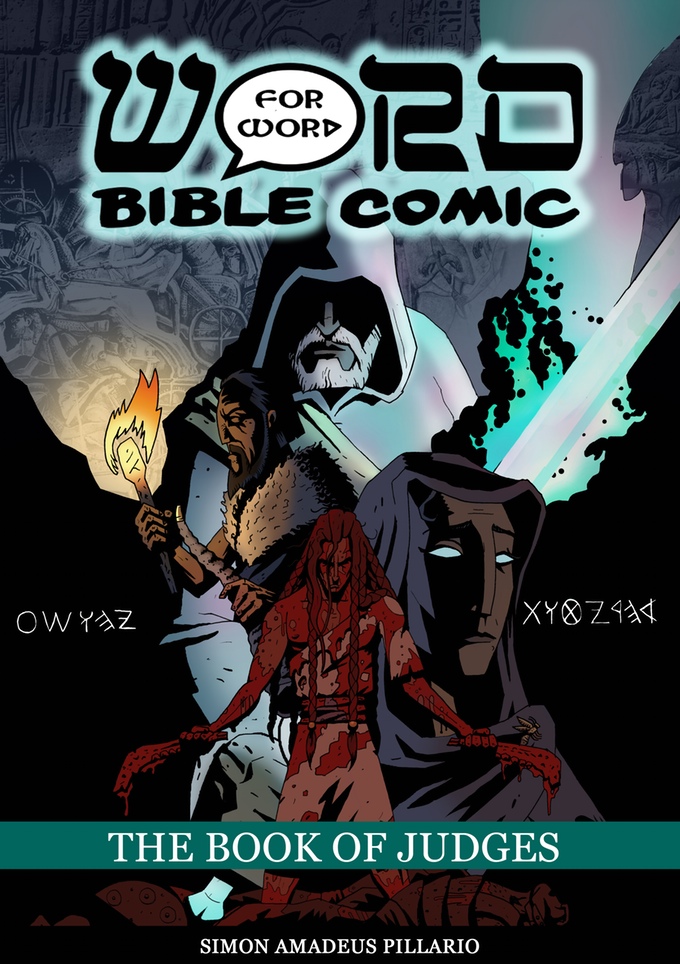
The Hard Hitting Word for Word Bible Graphic Novel (Review)

When you discover that you are about to read about a Bible comic, you may be tempted to skip this post. After all aren’t comic books just for kids. Some might be, but be warned graphic novels are not your typical comic. And this is not for young kids. It is actually rated for readers 15 and up.

Graphic novels as a medium are intense and visual ways to experience a story. And the stories they tell have been the basis for popular movies and shows. Robert Kirkman’s The Walking Dead, Frank Miller’s Spartan adventure 300, and Alan Moore’s V for Vendetta are among some of the most notable.

The Bible is filled with stories that are powerful and vivid. But in an age that is dominated by YouTube, blockbuster films, and special effects, the vibrancy of these stories can be lost on the modern reader. That is something Simon Amadeus Pillario is looking to change. He is the creator of the Word for Word Bible Comic (link), which hopes to present the stories of the Bible, using the actual words of Scripture, as a set of graphic novels that are “historically accurate, unabridged, and untamed”. One of Pillario’s goals is to invite graphic novel fans, many of whom may not otherwise read a Bible, to pick up the Scriptures. But, it is also for Christians who want to visually experience these familiar stories.

When I firsKickStarter_Judges_originalt heard of the Word for Word Comic, it was through Kickstarter. And I thought, what am amazing idea to create a graphic novel version of the Bible. I quickly backed the project.

The first Kickstarter, was back in May 2014, for the book of Judges. And while the project is not finished yet, the digital editions that have been sent to backers are incredible. If you are a fan of graphic novels and want to experience the Scriptures in a “hard-hitting” new way, then you are going to love the Word for Word Bible Comic. Continue reading →