When you discover that you are about to read about a Bible comic, you may be tempted to skip this post. After all aren’t comic books just for kids. Some might be, but be warned graphic novels are not your typical comic. And this is not for young kids. It is actually rated for readers 15 and up.
Graphic novels as a medium are intense and visual ways to experience a story. And the stories they tell have been the basis for popular movies and shows. Robert Kirkman’s The Walking Dead, Frank Miller’s Spartan adventure 300, and Alan Moore’s V for Vendetta are among some of the most notable.
The Bible is filled with stories that are powerful and vivid. But in an age that is dominated by YouTube, blockbuster films, and special effects, the vibrancy of these stories can be lost on the modern reader. That is something is looking to change. He is the creator of the Word for Word Bible Comic (link), which hopes to present the stories of the Bible, using the actual words of Scripture, as a set of graphic novels that are “historically accurate, unabridged, and untamed”. One of goals is to invite graphic novel fans, many of whom may not otherwise read a Bible, to pick up the Scriptures. But, it is also for Christians who want to visually experience these familiar stories.
When I firs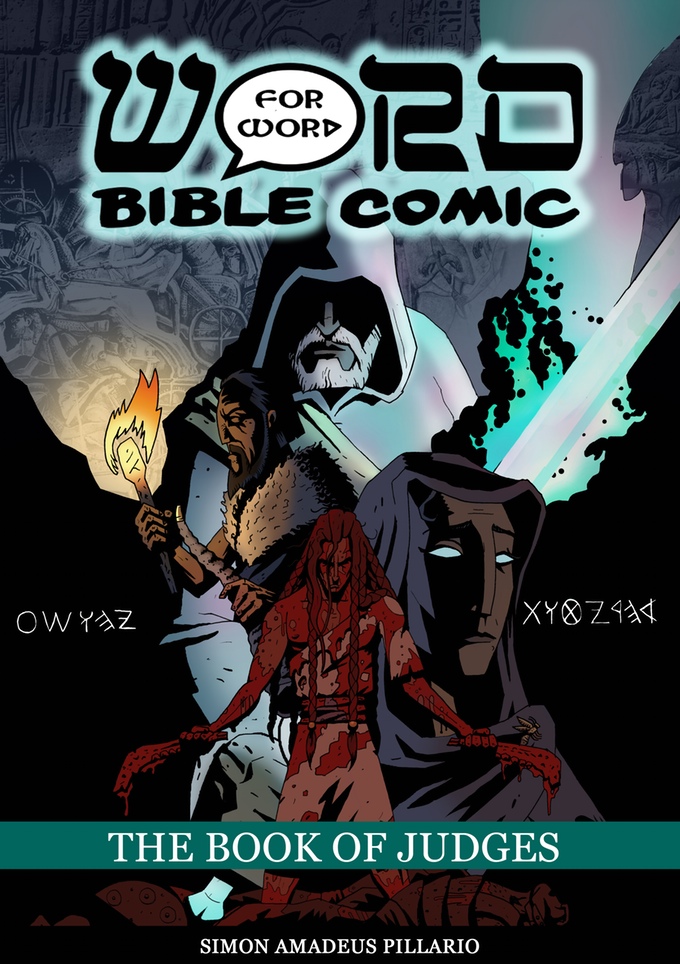 t heard of the Word for Word Comic, it was through Kickstarter. And I thought, what am amazing idea to create a graphic novel version of the Bible. I quickly backed the project.
The first Kickstarter, was back in May 2014, for the book of Judges. And while the project is not finished yet, the digital editions that have been sent to backers are incredible. If you are a fan of graphic novels and want to experience the Scriptures in a “hard-hitting” new way, then you are going to love the Word for Word Bible Comic. Continue reading