
In a letter to a pastor, John Wesley, cautions him about his lack of reading: (link)
What has exceedingly hurt you in time past, nay, and I fear to this day, is want of reading. I scarce ever knew a preacher read so little. And perhaps, by neglecting it, you have lost the taste for it. [Your preaching] is lively, but not deep; there is little variety; there is no compass of thought. Reading only can supply this …
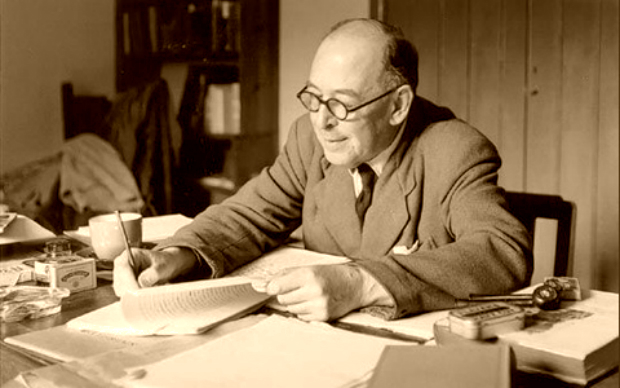
In the introduction to Athanasius’ On the Incarnation (amazon, online), C.S. Lewis talks about the importance of what we are reading (introduction). Particularly, he warns us against reading that is comprised of an “exclusive contemporary diet”, instead encouraging us to read books from the past (emphasis added).
There is a strange idea abroad that in every subject the ancient books should be read only by the professionals, and that the amateur should content himself with the modern books. … this mistaken preference for the modern books and this shyness of the old ones is nowhere more rampant than in theology.
 ted to all who have an active faith in God and the salvation that comes through Christ.


